Deciding whether to repair or replace HVAC systems depends on the unit's age, its efficiency, and the total cost of the fix. If the system is over 10 to 15 years old or the repair bill exceeds half the cost of a new unit, replacement is often the more cost-effective choice. However, minor repairs are generally better for newer systems that still operate efficiently and have a history of proper maintenance.
Nothing disrupts your peace of mind like a failing HVAC system when Juab County temperatures hit their seasonal extremes. Whether your furnace is struggling during a cold snap or your air conditioner is blowing lukewarm air in July, you are facing a stressful financial crossroads. Choosing between a quick repair and a total replacement is more than just a matter of immediate cost; it is about balancing long term reliability against the diminishing returns of aging equipment. In this guide, we provide the practical framework you need to make an informed decision. You will learn how to apply the 5,000 rule to your estimates, understand the specific life expectancy of Utah units, and recognize the subtle signs that your system is nearing its end. We will help you weigh efficiency gains against upfront costs so you can invest with total confidence.
The Homeowner Dilemma: Is It Worth Fixing Your Current HVAC?
Homeowners in Nephi, Santaquin, and across Juab County often face a stressful choice when the air conditioner fails during a July heatwave or the furnace quits on a sub-zero January night. These sudden mechanical failures demand immediate action, leaving you to wonder if a quick fix will hold or if you are simply throwing money away. While a repair is the cheaper short-term solution, it frequently acts as a sunk cost trap for aging equipment that no longer has the structural integrity to perform reliably.
The high-desert climate in Utah puts significant strain on residential systems compared to more temperate regions. Our equipment must navigate extreme temperature swings; this forces internal components to work at maximum capacity for months at a time. This environmental stress makes the decision to repair or replace HVAC units particularly critical for local longevity. A system that might last 20 years in a mild coastal city may reach its mechanical limit years earlier here in the Intermountain West. Professional climate control services are essential to evaluate if your current unit can still withstand these local demands or if the internal components have reached a point of diminishing returns.
The 5,000 Rule: A Simple Way to Calculate HVAC Value
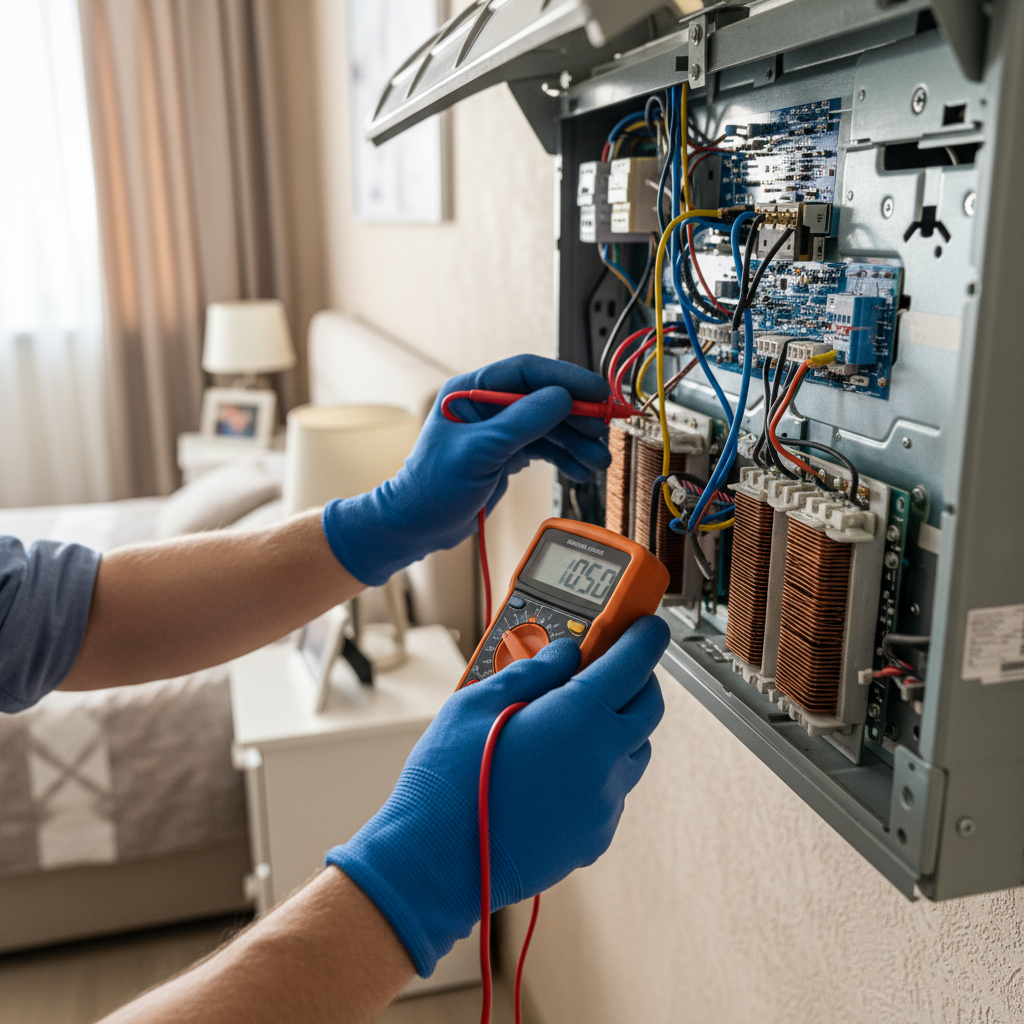
To navigate these climate-driven challenges, technicians use a mathematical baseline known as the 5,000 Rule. This formula provides an objective way to decide if you should repair or replace HVAC equipment without relying solely on guesswork. The calculation is straightforward: multiply the age of your furnace or air conditioner by the estimated cost of the repair. If the total exceeds 5,000, the unit has likely reached its financial expiration date.
Consider a common scenario for a home in Santaquin. You have a 12-year-old air conditioning unit that requires a significant repair costing approximately $800. Using the formula (12 x 800), the result is 9,600. Because this number is nearly double the $5,000 threshold, investing that money into a new, high-efficiency system is almost always the smarter long-term financial move. Conversely, a $400 repair on a 5-year-old unit (5 x 400 = 2,000) falls well under the limit, making the repair a logical choice.
Some national manufacturers suggest a 50 percent rule, which advises replacement if the repair bill exceeds half the cost of a new system. However, for residential systems in Utah, the 5,000 Rule is often a more accurate predictor of value. It accounts for the fact that even a mid-range repair on an older unit is a gamble; the remaining components have already endured a decade of Utah’s intense heating and cooling cycles. A $1,500 repair might only be 20% of a new system's cost, but if the unit is 15 years old, the 5,000 Rule correctly flags that the investment will not be recovered before the next major component fails. Utilizing professional climate control services to get an accurate repair quote is the first step in applying this rule to your home.
Age Thresholds for Utah Furnaces and Air Conditioners
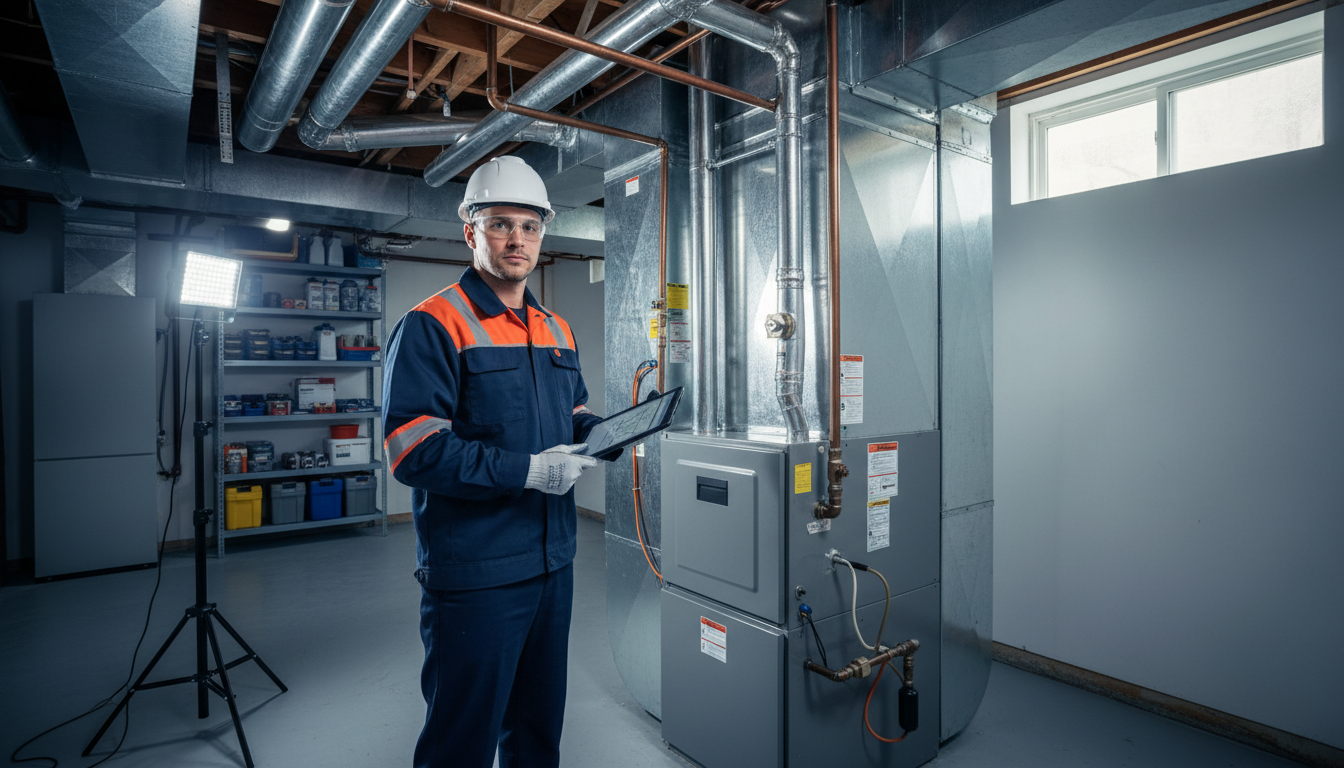
National averages typically suggest a furnace or air conditioner should last between 15 and 20 years. However, Juab County residents must account for our specific environmental stressors. In high-elevation areas like Levan and Mona, the heavy winter heating cycles place an immense load on a furnace’s heat exchanger and blower motor. While a unit might technically function for two decades, its peak mechanical efficiency often begins to degrade significantly after year 15 due to the sheer volume of run-time hours required to combat Utah winters.
When homeowners ask if a 20-year-old air conditioner is worth keeping, the professional recommendation is a firm "yes" for replacement. Systems of this age generally rely on R-22 refrigerant, which has been phased out completely. Attempting to service a leak in an R-22 unit is no longer a viable financial decision; the cost of the obsolete coolant is prohibitively high. Furthermore, modern systems utilize the latest SEER2 ratings, offering efficiency gains that older 10 or 12 SEER units simply cannot match. If your equipment has crossed these age thresholds, leveraging professional climate control services to evaluate your home’s thermal requirements is the best way to determine when to repair or replace HVAC components before a total system failure occurs.
When Repairing Makes the Most Sense
While the 5,000 Rule often points toward replacement for older units, many scenarios exist where investing in a fix is the logical path. Systems under 10 years old typically fall into this category. At this age, most primary components are still mechanically sound, and many units remain covered by manufacturer parts warranties. If a warranty covers the expensive core components, your out-of-pocket costs are limited to labor; this makes the decision to repair or replace HVAC equipment much simpler.
Minor component failures also favor repair. Parts such as capacitors, contactors, or fan motors are designed to be replaced and do not indicate a total system collapse. A failed capacitor is a common issue in Nephi during the peak of summer, and replacing it is a fraction of the cost of a new condenser.
The history of the unit is a deciding factor as well. If a system has received consistent professional climate control services, its internal components are likely in better condition than a neglected unit of the same age. Regular cleaning of coils and heat exchangers prevents the cascading wear that leads to major failures. For a well-maintained system, a targeted repair can effectively extend its operational life by several years, providing a high return on a relatively small investment.
Signs Your HVAC System is Begging for Retirement
Even a well-maintained system eventually begins to signal its mechanical limits through subtle performance shifts rather than a sudden breakdown. The most quantifiable red flag is a steady increase in utility costs during peak heating and cooling seasons. If your energy bills in Nephi are climbing despite consistent weather patterns, the unit is likely struggling to achieve the set temperature, forcing it to run longer, less efficient cycles. This gradual loss of efficiency is a primary driver in the decision to repair or replace HVAC equipment, as the monthly operational loss eventually outweighs the upfront cost of a modern upgrade.
Physical symptoms within the home also reveal underlying mechanical fatigue. You may notice inconsistent temperatures where a bedroom remains chilly while the living room is overheated, suggesting the blower motor or ductwork can no longer maintain static pressure. Furthermore, excessive dust buildup or poor humidity control indicates that the system is failing to circulate and treat the air effectively. In rural Juab County, residents with whole-home humidifiers integrated into their furnaces face the additional challenge of hard water. High mineral content leads to scale buildup on solenoids and within distribution trays; if left unchecked, this mineral accumulation can cause leaks or corrosion that compromises the furnace cabinet itself.
Finally, listen for the clunk. Unusual sounds like grinding, screeching, or heavy thumping during startup are indicators of failing bearings or a compromised blower assembly. While these might seem like minor nuisances, they often signal imminent motor failure or internal structural damage. If your system has become the loudest appliance in your home, it is time to schedule professional climate control services to diagnose the severity of these mechanical warnings before they turn into an emergency outage.
Energy Efficiency and the Real Cost of Keeping an Old Unit
Keeping an older unit running often feels like a way to save money; however, the monthly utility burden tells a different story. A standard 10 SEER air conditioner, common in Juab County homes from the early 2000s, operates at a significant deficit compared to modern equipment. Moving to a 16 or 18 SEER2 system can reduce cooling consumption by approximately 30 to 50 percent. This reduction directly offsets the monthly cost of a new installation over time.
Efficiency Rating | Estimated Energy Use | Cooling Cost Impact |
|---|---|---|
10 SEER (Legacy) | 100% (Baseline) | Highest Monthly Bills |
16 SEER2 (Modern) | ~60% of Baseline | Significant Savings |
18+ SEER2 (High Efficiency) | ~50% of Baseline | Maximum Savings |
Regulatory shifts also influence the decision to repair or replace HVAC equipment. The upcoming 2026 HVAC refrigerant changes will transition the industry to newer coolants. Homeowners who invest in current technology now avoid the inevitable price spikes associated with maintaining systems that use soon to be obsolete refrigerants like R-410A.
Local incentives make this transition more affordable for Utah residents. Rocky Mountain Power and Dominion Energy offer targeted rebates for high efficiency furnaces, heat pumps, and AC units. These programs, combined with lower monthly bills, accelerate the return on investment for a new system. If you are weighing the long term costs of your current setup, you can contact Juab HVAC to review available utility incentives and calculate your potential energy savings.
Frequently Asked Questions About HVAC Replacement
Homeowners in Nephi and Santaquin often have specific questions regarding the financial and logistical aspects of a system overhaul. These answers help clarify the long term implications of the decision to repair or replace HVAC equipment.
### Does homeowners insurance pay for HVAC repair? Standard homeowners insurance policies generally only cover HVAC damage caused by sudden, covered perils; these include fire, lightning, or severe storm damage like a fallen tree limb. Insurance does not cover mechanical failures due to age, poor maintenance, or general wear and tear. If your furnace heat exchanger cracks or your AC compressor seizes after 15 years, the cost falls on the homeowner. For coverage on mechanical breakdowns, a separate home warranty is usually required.
### Is replacing an AC unit a repair or a capital improvement? Replacing an air conditioner or furnace is classified as a capital improvement. Unlike a repair, which simply restores the system to its previous working state, a full replacement enhances the property value and extends the home’s useful life. This distinction is important for property appraisals and can be a selling point for Juab County real estate.
### What is the average cost to replace an HVAC unit in Utah? For residential homes in Juab County, a full system replacement typically ranges from $8,000 to $16,000. This investment varies based on the home's square footage, the SEER2 efficiency rating of the new unit, and whether you choose a traditional gas furnace or a modern heat pump. You can contact Juab HVAC for a detailed estimate tailored to your home’s specific layout and needs. Investing in professional climate control services ensures that your new system is sized correctly to avoid the efficiency losses common with DIY or cut-rate installations.
Deciding whether to invest in a repair or commit to a full system replacement is a significant choice for any homeowner. By weighing the age of your unit against its recent performance and repair costs, you can make a choice that fits your budget and comfort. If you want expert help navigating these options, our team is ready to provide a professional assessment. You can learn more about our commitment to quality service and how we support the local community through every season.