Furnace short cycling is typically caused by restricted airflow from dirty filters, a malfunctioning thermostat, or a dirty flame sensor. Addressing these common furnace short cycling causes and fixes often involves replacing air filters and cleaning internal components; however, complex issues like an oversized unit require professional intervention. Regular maintenance ensures the system runs efficiently and prevents premature wear on critical heating components.
When winter settles across Juab County, your furnace should be a reliable source of consistent warmth. There is nothing more frustrating than hearing your heating system kick on, only to have it shut down moments later before your home reaches the desired temperature. This repetitive cycle, known as short cycling, is a serious threat to your HVAC system’s efficiency and longevity. It is often a protective measure triggered to prevent overheating, yet it results in increased wear on components and higher utility costs. In this guide, we will examine common causes, including restricted airflow and faulty flame sensors. We will also discuss the importance of proper system sizing and provide professional solutions to restore your home’s comfort. By the end of this article, you will understand how to troubleshoot these issues and when to call for expert assistance.
Understanding Furnace Short Cycling in Juab County
Furnace short cycling occurs when the heating system initiates a startup sequence but shuts down prematurely before the thermostat reaches its set point. Instead of running a full cycle to evenly distribute heat, the system clicks on and off every few minutes. During a Juab County winter, where overnight lows in towns like Nephi and Mona frequently plunge well below freezing, this behavior becomes immediately apparent as the home fails to reach a comfortable temperature.
While many homeowners view this as a minor mechanical annoyance, it is typically a deliberate safety mechanism. Internal components, such as the high limit switch, trigger a shutdown to prevent catastrophic failures like a cracked heat exchanger. However, this cycle of constant ignition and abrupt stopping puts immense strain on the system, leading to accelerated wear and tear and spiking utility bills.
Identifying the specific furnace short cycling causes and fixes is critical for the longevity of your equipment. If your unit is struggling to stay running during a cold snap, seeking professional heating services is the best way to prevent a total system breakdown when you need warmth the most. By addressing the root cause early, you protect your investment and ensure consistent climate control throughout the season.
The Most Common Furnace Short Cycling Causes and Fixes
Identifying the specific furnace short cycling causes and fixes starts with a simple process of elimination. Some issues are external and manageable by the homeowner, while others involve complex internal mechanics. In the dry, dusty environment of Juab County, air filters often clog much faster than the manufacturer's general recommendations suggest. Fine silt and dust from the surrounding valley can restrict airflow within weeks during peak heating season, forcing the system to work harder than intended.
Homeowners should first inspect the air filter and verify the thermostat has fresh batteries and correct settings. If these basic checks do not resolve the issue, the problem likely lies within the furnace cabinet. Issues such as a fouled flame sensor, a malfunctioning high limit switch, or a compromised heat exchanger require the attention of a licensed technician. Handling high voltage components or gas assemblies without proper training poses significant safety risks. If troubleshooting the basics fails to restore steady operation, contact Juab HVAC to diagnose the underlying mechanical failure before it leads to a complete system lockout.
Restricted Airflow: The Leading Cause of System Overheating
Restricted airflow is the most frequent culprit behind furnace short cycling because it directly triggers the system’s primary safety protocols. For a furnace to operate safely, it requires a constant volume of cool air to pass over the heat exchanger. If a clogged filter or obstructed ductwork limits this intake, the heat generated by the burners has nowhere to go. Consequently, the internal temperature of the furnace cabinet climbs to dangerous levels.
Inside the unit, a component called the high limit switch serves as a thermal watchdog. Once the temperature exceeds a specific threshold, this switch trips, cutting power to the gas valve and extinguishing the burners. This prevents the metal heat exchanger from warping or developing a cracked heat exchanger, which could otherwise leak carbon monoxide into your home or start a fire. While this shutdown protects the equipment, it results in the rapid cycling homeowners observe.
In Nephi and Levan, we often find that simple household changes are the source of the problem. During winter furniture rearrangements, it is easy to accidentally place a heavy sectional or a thick rug over a floor register. This inadvertently seals off a vital exit point for hot air. Before scheduling professional heating services, walk through your home to ensure every supply and return vent is fully open and unobstructed by furniture, curtains, or holiday decor. If your vents are clear and the filter is clean but the cycling persists, the limit switch itself may be failing or the internal components may require professional cleaning.
Dirty Flame Sensor Symptoms and Solutions
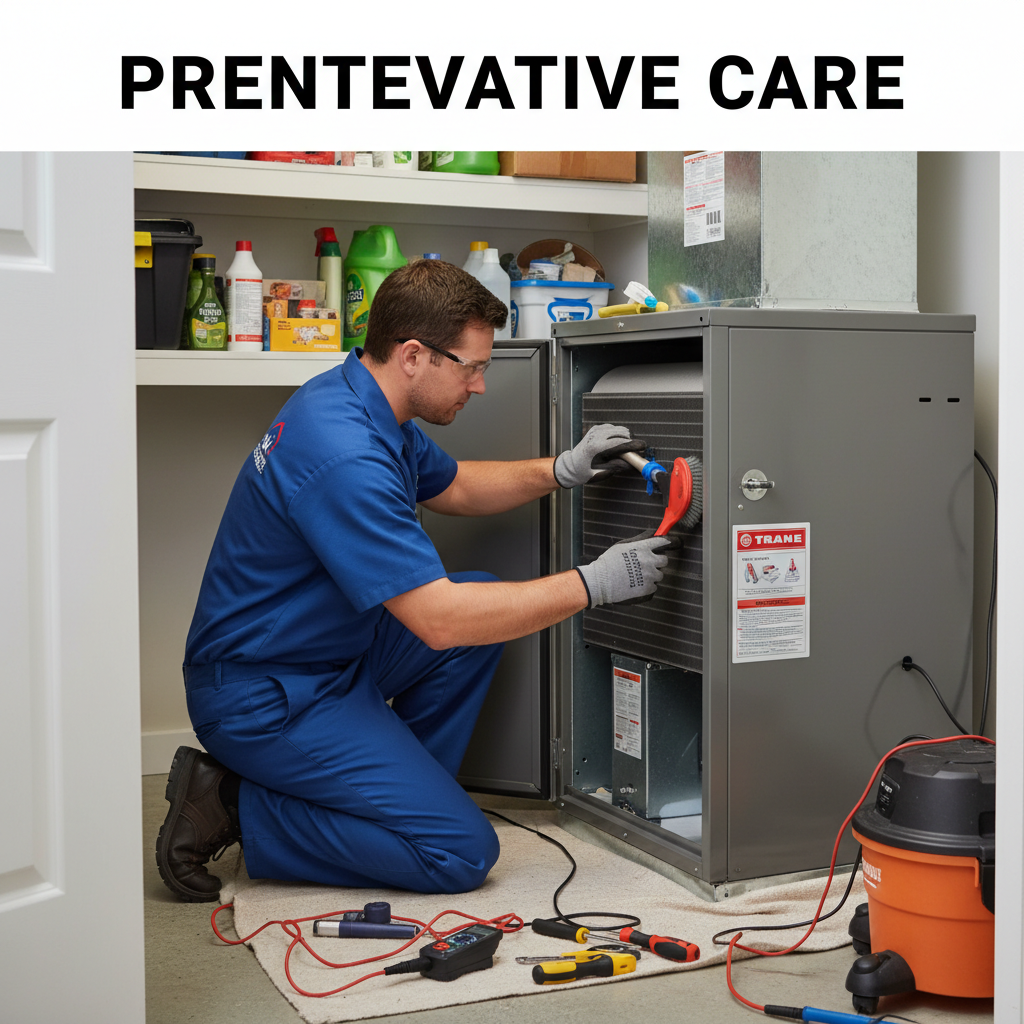
While airflow issues cause a furnace to run for several minutes before overheating, a fouled flame sensor results in a much faster cycle. This small, thin metallic rod sits directly in the path of the burner flame. Its primary job is to verify that ignition was successful. If the sensor is covered in soot, carbon buildup, or oxidation, it becomes insulated and cannot detect the electrical current produced by the flame. For safety reasons, the control board assumes the gas failed to ignite and shuts down the system immediately to prevent unburned gas from filling your home.
The hallmark symptom of a dirty flame sensor is a furnace that starts up, produces a visible flame for roughly three to five seconds, and then abruptly cuts out. You might hear the inducer motor running and see the ignitor glow, but the heat never stays on long enough to circulate. In the dry climate of Nephi and Mona, fine dust can settle on these components, accelerating the buildup. Understanding the distinction between sensor failure and airflow blockage is key to identifying furnace short cycling causes and fixes for your specific unit. Cleaning or replacing this sensor is one of the most common tasks performed during professional heating services and annual maintenance visits. Because this component is part of the gas ignition assembly, it should be handled by an expert to ensure the sensor is properly aligned and the system is safe for operation.
Thermostat Misplacement or Malfunction
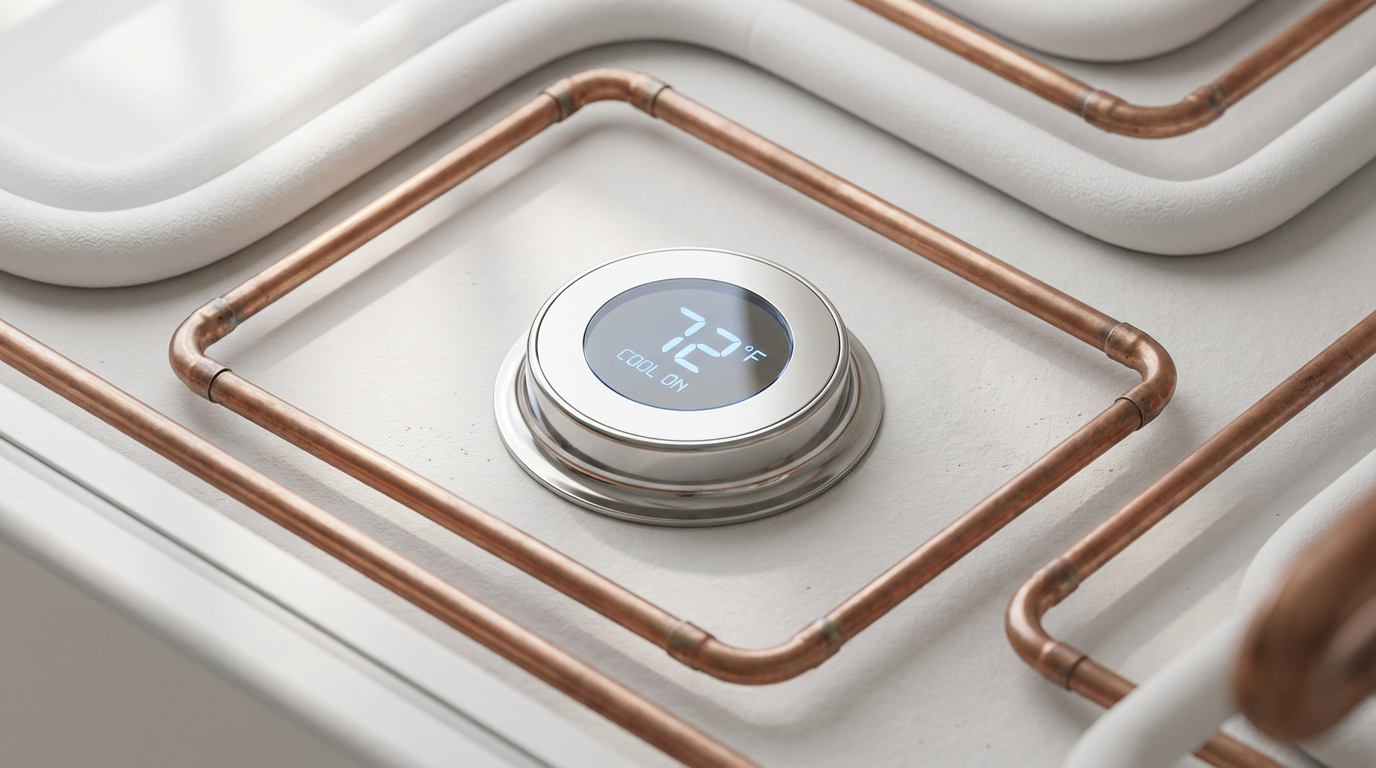
Sometimes the issue is not with the furnace hardware but with the information the thermostat receives. The location of this device is critical for accurate temperature sensing. If a thermostat is installed near a heat source, such as a sunny south-facing window or a kitchen oven, it will detect an artificial temperature spike. In many homes in Levan or Nephi, we see thermostats placed directly above or adjacent to a supply vent. The blast of hot air from the register tricks the sensor into believing the entire home has reached the target temperature, causing it to shut the furnace off within minutes.
Beyond location, simple power and setting errors frequently mimic mechanical failures. Low batteries can cause the internal relay to click on and off sporadically. Always ensure the interface is set firmly to "Heat" rather than just "Fan" or "Auto." If the fan is set to "On," it will blow air continuously even when the burners are off, which homeowners often mistake for a cycling issue. If recalibrating the location or replacing batteries does not stabilize the system, you may need professional heating services to inspect the wiring or replace a faulty control unit. Addressing these thermostat related furnace short cycling causes and fixes ensures your system operates based on the actual climate inside your home rather than localized hot spots. Contact Juab HVAC if your thermostat continues to provide erratic readings during the height of winter.
Is a Short Cycling Furnace Dangerous?
Short cycling acts as a critical warning system rather than a danger in itself. The process indicates that your furnace is under extreme mechanical stress. The primary risk involves the heat exchanger. When a furnace repeatedly overheats and then cools down rapidly, the metal expands and contracts violently. Over time, this cycle leads to a cracked heat exchanger, which is a severe safety hazard because it can leak odorless carbon monoxide into your Juab County home.
Specific red alert symptoms require immediate attention. If you detect the faint smell of rotten eggs, you likely have a gas leak. Unusual metallic scraping or loud banging noises often suggest that internal components are failing or that the blower assembly is under dangerous strain. Ignoring these indicators to maintain warmth during a cold snap can lead to electrical fires or toxic gas exposure. You should shut down the unit immediately and seek professional heating services if these signs occur. It is always safer to contact Juab HVAC for a comprehensive safety inspection than to risk the structural integrity of your heating system and the health of your household.
Why System Sizing Matters for Juab Homeowners
Mechanical failure and poor maintenance are not the only furnace short cycling causes and fixes to consider. In many cases, the problem is baked into the installation itself. Homeowners in Juab County often assume that a larger furnace is inherently better for enduring sub zero winter nights, but an oversized system creates a distinct set of problems. When a furnace has too much heating capacity for the square footage of the home, it generates a massive burst of heat that quickly satisfies the thermostat. However, this rapid blast does not allow for the long, steady airflow needed to circulate warmth to every room.
The result is a cycle where the furnace shuts down long before the basement or far bedrooms reach the set temperature, leaving you with uncomfortable hot and cold spots. This is why a precise Load Calculation is essential during the installation process. Our technicians evaluate insulation values, window types, and local altitude rather than relying on rough square footage estimates. If you suspect your current unit was never the right fit, our HVAC System Sizing Guide explains how capacity impacts long term efficiency. For a definitive evaluation of your home's specific needs, contact Juab HVAC to discuss professional heating services and comprehensive system analysis.
Preventing Future Cycling Issues with Routine Care
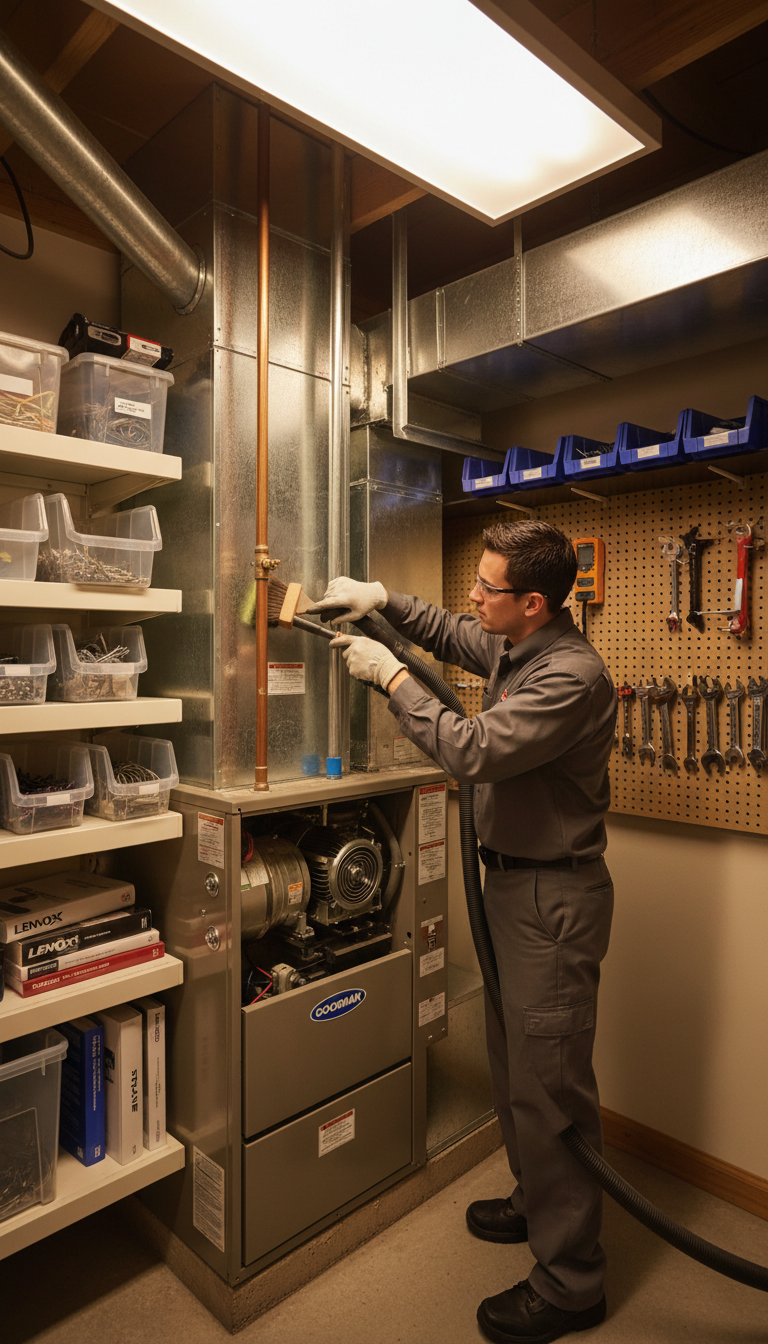
Establishing a consistent maintenance routine is the most effective way to address potential furnace short cycling causes and fixes before they result in an emergency lockout. In our local climate, air filters require attention every 30 to 90 days. If you live in a dustier area of the Juab valley or have multiple pets, stick to the shorter end of that window to ensure unobstructed airflow and protect the high limit switch from tripping.
External components also require regular inspection. The intense winds common in Juab County can blow dried brush, tumbleweeds, or debris into intake and exhaust pipes, while heavy snow can block these vents entirely. After a major wind or snow storm, clear any obstructions from these pipes to prevent pressure switch failures. Additionally, scheduling annual professional heating services allows a technician to clean the flame sensor and test all safety sequences. For homeowners who want to ensure their system is prepared for sub-zero temperatures, you can contact Juab HVAC to set up a comprehensive seasonal tune up.