The 2026 HVAC refrigerant change Utah requires new residential cooling systems to use low-GWP refrigerants like R-454B and R-32 to comply with updated federal environmental standards. While homeowners can continue to maintain existing units with older refrigerants, new installations will transition to more efficient, eco-friendly equipment that may have different maintenance requirements and costs.
As a homeowner in Juab County, you have likely noticed that maintaining your home comfort is becoming increasingly complex and expensive. The upcoming 2026 federal refrigerant transition is not just a minor update; it is a fundamental shift that will phase out common coolants and change how we install and repair systems across Utah. Staying ahead of these regulations is essential to avoid inflated repair costs or being forced into an emergency replacement during a summer heatwave. In this guide, our experts break down the transition from R-410A to low-GWP alternatives and explain the latest SEER2 efficiency minimums. You will learn about the benefits of cold climate heat pumps, how to leverage federal tax credits to save money, and whether it makes financial sense to upgrade your equipment before the new mandates take full effect.
Understanding the 2026 Refrigerant Transition in Utah
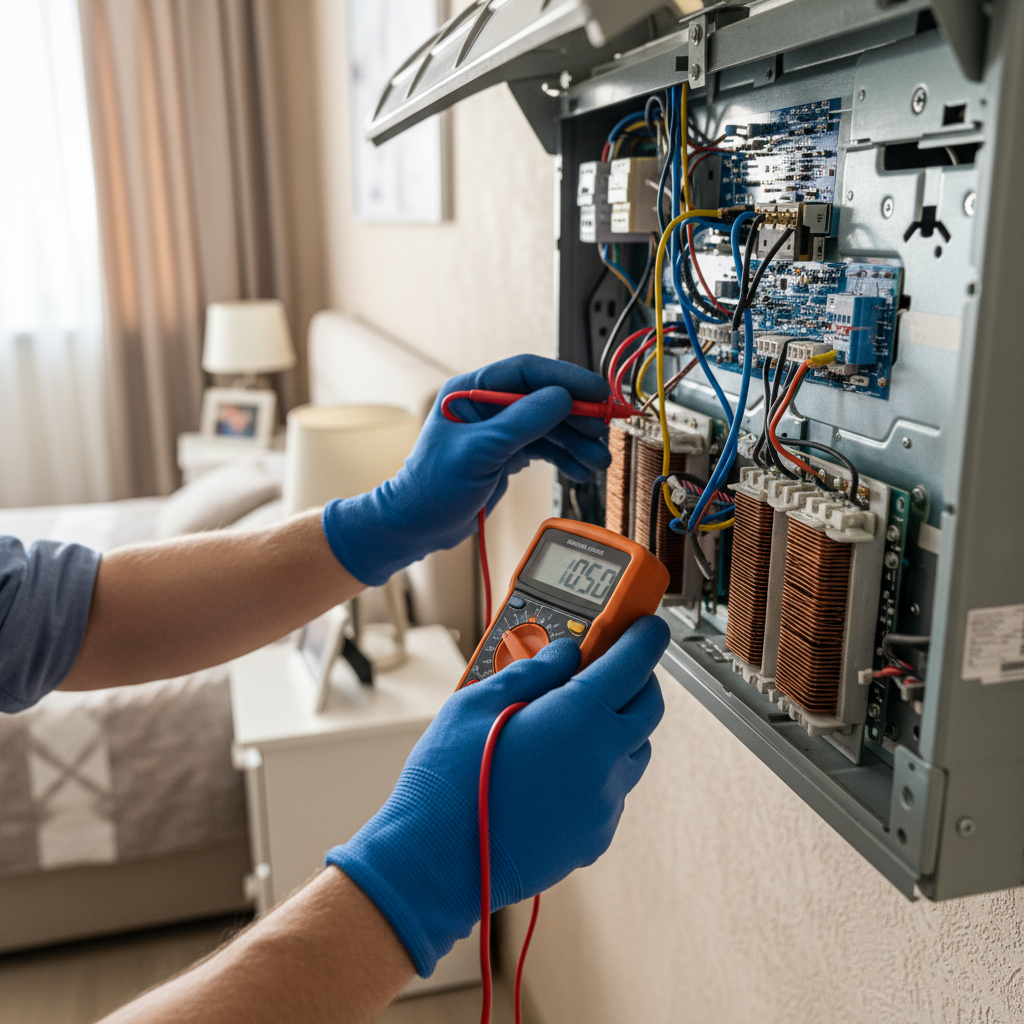
The industry for residential and commercial climate control services is undergoing its most significant regulatory shift in nearly twenty years. The 2026 HVAC refrigerant change Utah residents are beginning to navigate centers on the transition from R-410A, commonly known by brand names like Puron, to a new class of "A2L" refrigerants such as R-454B and R-32. This shift is mandated by the Environmental Protection Agency (EPA) to move toward substances with a lower Global Warming Potential (GWP).
While this may sound similar to the R-22 phase-out of the past, the circumstances are different. R-22 was phased out primarily due to ozone depletion, whereas the current transition focuses on reducing the greenhouse gas impact of modern cooling systems. For homeowners in Nephi or Mona, it is essential to understand that your current R-410A system will not become illegal to operate or repair. Existing units can still be serviced, though the cost of older refrigerants typically rises as production decreases.
The mandatory deadline is approaching quickly. Equipment manufactured after January 1, 2025, must utilize these new A2L alternatives. By the time 2026 arrives, the vast majority of new installations will feature this updated technology. These units are engineered differently; because A2L refrigerants are classified as mildly flammable, manufacturers have integrated specialized sensors, leak detection modules, and non-sparking components to ensure total safety within the home. This shift results in a more efficient system, but it requires precise installation methods that differ from older standards.
This transition requires a higher level of technical proficiency from your service provider. You can read more about our local expertise to see how we are preparing our team for these new safety protocols. If you are concerned about the age of your current unit or want to understand how these new standards impact your future costs, contact Juab HVAC for a detailed consultation. Ensuring your home stays comfortable during a high-desert summer requires staying ahead of these regulatory curves.
SEER2 Standards: New Efficiency Minimums for the North Region
Alongside the 2026 HVAC refrigerant change Utah homeowners are navigating, new efficiency standards known as SEER2 have redefined how we measure air conditioning performance. SEER2 stands for Seasonal Energy Efficiency Ratio 2. While the original SEER rating provided a baseline, it often failed to reflect how a system performed once connected to real-world ductwork. The Department of Energy updated the testing protocol to include significantly higher external static pressure, which better simulates the resistance found in typical home ventilation systems. This ensures that the efficiency rating on the box actually matches the performance in your living room.
The Department of Energy categorizes Utah within the North region. For residents in Juab County, this means the current minimum efficiency requirement for any new split-system air conditioner installation is 13.4 SEER2. This is a mandatory floor for all residential and commercial climate control services performed in our area. To help visualize the transition, the following table compares the old standards to the current requirements.
Standard | Testing Condition | North Region Minimum |
|---|---|---|
Old SEER | Low static pressure | 13.0 SEER |
New SEER2 | High static pressure (Real-world) | 13.4 SEER2 |
Selecting a unit at the 13.4 SEER2 minimum meets the legal requirement, but aiming for 16 SEER2 or higher is often the smarter financial move. In the high-desert climate of Juab County, cooling systems face intense heat and extended run times during the summer months. Systems with higher SEER2 ratings consume fewer kilowatt-hours to maintain the same indoor temperature, leading to substantial long-term utility savings. Furthermore, choosing a high-efficiency unit often makes the installation eligible for federal incentives that a base-model system would not qualify for. If you are unsure which efficiency level matches your home's needs, contact Juab HVAC for a professional load calculation and system recommendation.
The Rise of Cold Climate Heat Pumps in Juab County
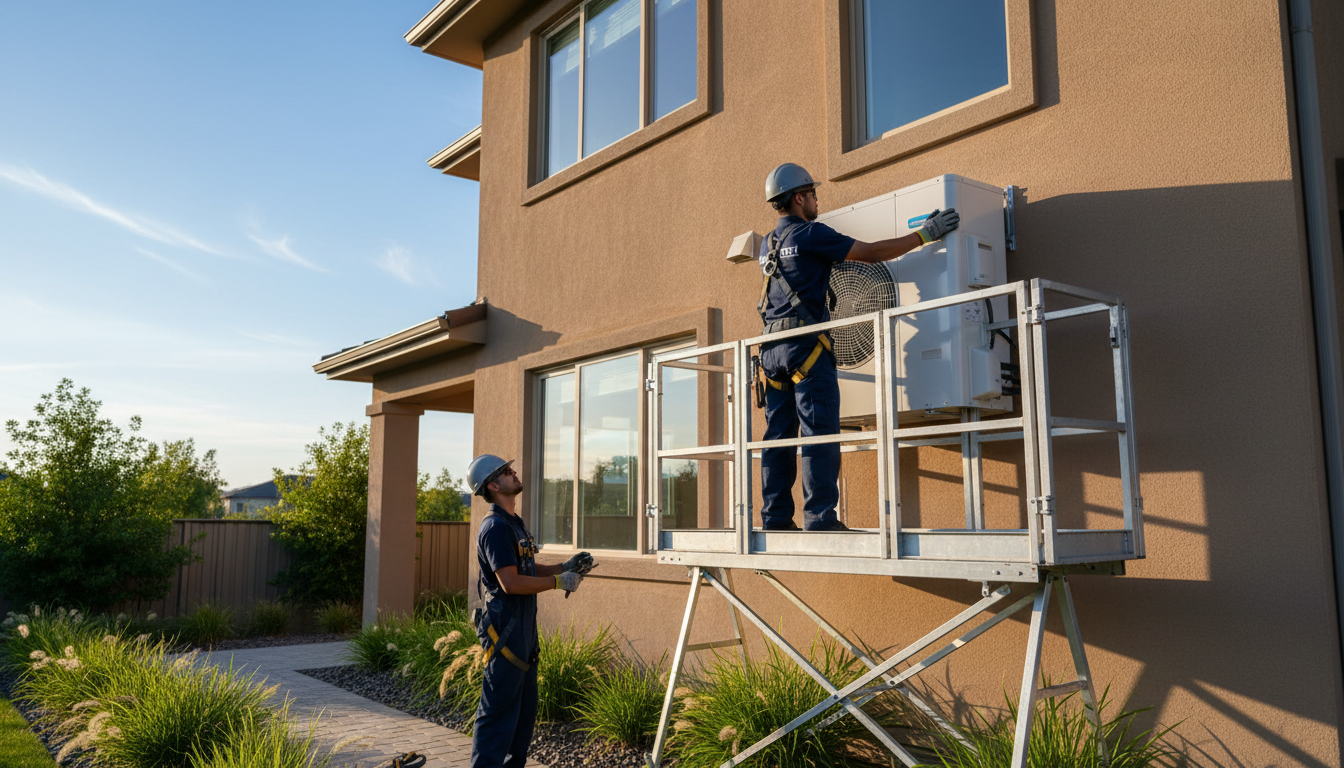
As efficiency standards rise, many Juab County homeowners are looking beyond traditional air conditioners toward cold-climate heat pumps. Historically, heat pumps were considered supplemental because they lost effectiveness when temperatures dropped below freezing. However, modern inverter-driven technology has changed this. These units are now engineered to provide reliable primary heating even in the sub-zero temperatures we occasionally see in Nephi or Mona.
In rural parts of the county like Levan or Eureka, where natural gas lines may not reach every property, residents often rely on propane or electric resistance furnaces. A high-end heat pump offers a significant efficiency advantage over these traditional methods. While a propane furnace is limited by its combustion efficiency and an electric furnace has a 1:1 energy-to-heat ratio, a cold-climate heat pump can achieve over 300% efficiency by transferring heat rather than generating it.
Heating Source | Typical Efficiency | Energy Method |
|---|---|---|
Electric Resistance | 100% | Generation |
Propane Furnace | 80% to 96% | Combustion |
Cold-Climate Heat Pump | 200% to 400% | Heat Transfer |
These systems are perfectly positioned for the 2026 HVAC refrigerant change Utah is currently implementing. The new A2L refrigerants, such as R-454B, have superior thermal properties that allow heat pumps to operate more effectively at lower outdoor temperatures. When combined with our residential and commercial climate control services, these systems offer a sustainable way to manage both summer peaks and winter lows. If you are curious about how a heat pump would perform in your specific floor plan, you can learn more about our local expertise in sizing these advanced systems for our unique high-desert environment.
Federal Tax Credits and Utah Energy Rebates for 2026
Transitioning to high-efficiency equipment is a significant investment, but the Inflation Reduction Act (IRA) provides substantial relief through the Energy Efficient Home Improvement Credit, also known as Section 25C. For Juab County homeowners, this credit offsets 30% of the project cost, capped at specific annual limits. High-performance heat pumps qualify for a tax credit of up to $2,000 per year; this makes them an incredibly attractive option as we move closer to the 2026 HVAC refrigerant change Utah mandate.
Other high-efficiency central air conditioning units or general weatherization efforts can qualify for a combined credit of up to $1,200 annually. It is important to note that equipment must meet stringent performance criteria to qualify. Specifically, units typically need to reach the Consortium for Energy Efficiency (CEE) highest tier for the North region to be eligible for these federal funds.
Equipment Type | Max Annual Tax Credit | Efficiency Requirement |
|---|---|---|
Air Source Heat Pumps | $2,000 | CEE Highest Tier |
Central Air Conditioners | $600 | CEE Highest Tier |
Electrical Panel Upgrades | $600 | If paired with heat pump |
Navigating these federal incentives alongside local utility rebates can be complex. When providing residential and commercial climate control services, our team ensures you select models that maximize these financial returns. You can learn more about our local expertise in identifying qualifying systems for our specific climate. We provide the necessary documentation to simplify your tax filing. If you are planning an upgrade, contact Juab HVAC to review the most current rebate and credit eligibility for your property.
How the 2026 Standards Affect Equipment Costs and Repairs
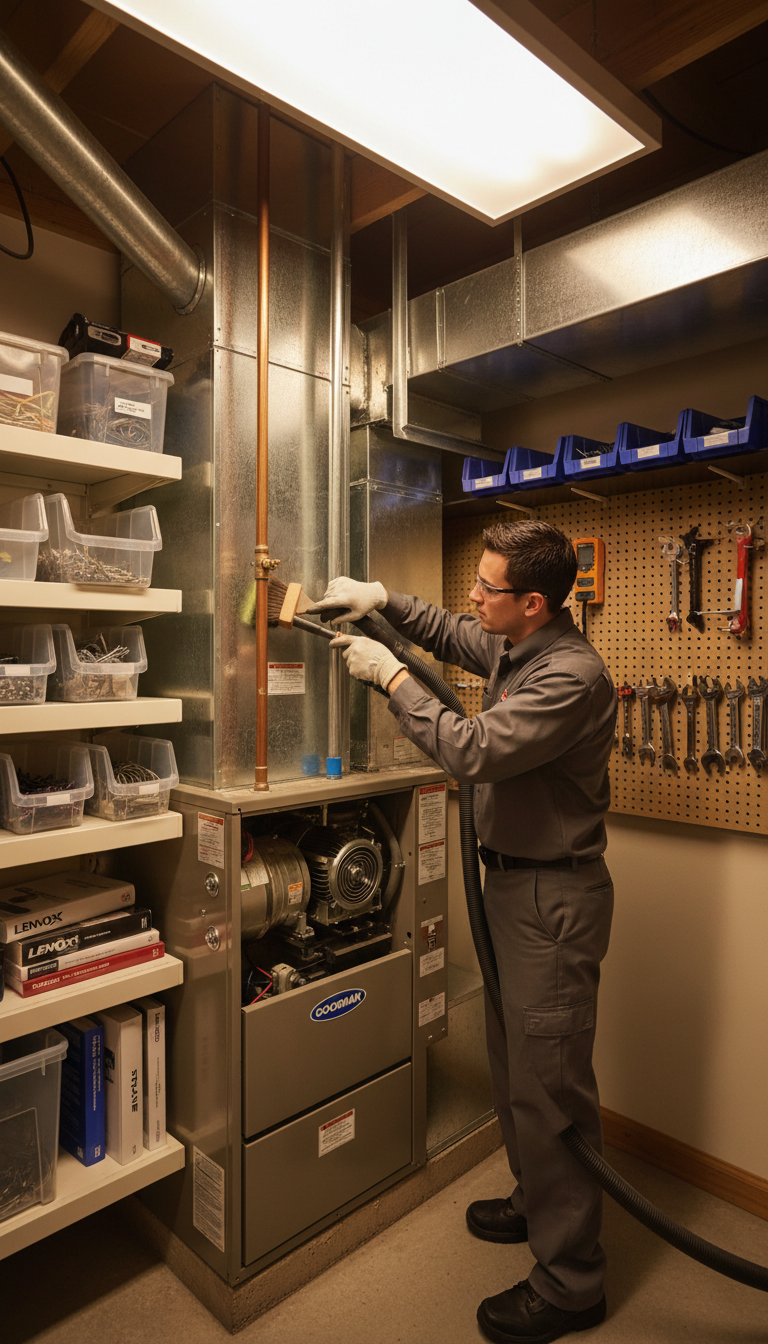
The 2026 HVAC refrigerant change Utah homeowners are witnessing will inevitably impact the cost of new installations. A2L-compliant systems are more sophisticated than their predecessors. To safely manage the mildly flammable nature of R-454B or R-32, manufacturers have added specialized leak detection sensors and non-sparking electrical components. These safety features, combined with updated compressor designs, mean that upfront equipment prices for the new generation of units are generally higher than outgoing R-410A models. Additionally, our team must invest in specific technician training and updated tools to handle these materials, ensuring that every installation meets the highest safety standards for residential and commercial climate control services.
Maintenance costs for older units will also shift as the phase-down progresses. While R-410A will remain available for repairs for many years, its production is being systematically restricted by the EPA. As the supply shrinks, the price per pound for R-410A will likely rise, mirroring the price spikes seen during the R-22 phase-out. If an older system develops a significant leak after 2026, the combined cost of labor and expensive, legacy refrigerant could make a repair financially impractical when compared to a full system replacement.
Cost Factor | Older R-410A Systems | New A2L Systems (2025/2026) |
|---|---|---|
Upfront Equipment Cost | Baseline | 10% to 15% Higher (est.) |
Refrigerant Availability | Decreasing; Prices Rising | High Availability; Stable Prices |
Safety Hardware | Standard Components | Integrated Leak Sensors |
Maintenance Outlook | Potential for Price Spikes | Predictable Service Costs |
Budgeting for these changes is essential for maintaining home comfort without unexpected financial strain. If you are debating a major repair on a decade-old unit, contact Juab HVAC to get an honest assessment of whether a fix or an upgrade makes more sense for your long-term budget. Understanding these shifts now prevents high-pressure decisions when the Utah summer heat arrives.
Strategic Planning: Should You Replace Your HVAC System Now or Wait
The decision to invest in residential and commercial climate control services before or after the new mandates depends primarily on your current equipment's health and age. Homeowners often ask, "What is the $5000 rule for HVAC?" This is a practical mathematical formula used to determine if a repair is a sound investment. Multiply the estimated repair cost by the age of your unit in years; if the resulting number is greater than $5,000, the system has reached its financial expiration point. For a 12 year old unit in Nephi, even a $450 repair suggests that your money is better spent on a new installation.
If your current air conditioner or heat pump is between 12 and 15 years old and relies on R-410A, replacing it before the 2026 HVAC refrigerant change Utah deadline can be a savvy move. By upgrading now, you secure a system built with proven, widely available components and avoid the higher equipment costs associated with first generation A2L engineering. Conversely, if your system is less than a decade old and operating reliably, waiting allows you to eventually benefit from the absolute highest efficiency technologies that will define the market after the transition.
Current System Status | Recommended Action | Primary Benefit |
|---|---|---|
12 to 15 years old; R-410A | Replace Now | Avoids first-gen pricing; proven tech |
5 to 10 years old; R-410A | Maintain and Wait | Maximizes existing equipment ROI |
Failing; Repair cost x Age > $5,000 | Replace Now | Immediate utility and repair savings |
Seeking maximum efficiency/tech | Wait for 2026 | Access to latest A2L innovations |
Evaluating these factors during a seasonal tune-up prevents high pressure decisions during a mid summer breakdown. You can learn more about our local expertise in assessing system longevity across the high desert. If you need a professional opinion on your unit's remaining lifespan, contact Juab HVAC for a comprehensive equipment audit.
The 2026 refrigerant change represents a significant shift for homeowners in Juab County, yet it does not mean you need to replace your current system immediately. Understanding these upcoming industry updates now helps you make smarter decisions for your home comfort and budget in the long run. If you want expert help navigating these new regulations or checking your equipment compatibility, you can explore our Services to see how we can assist. We are here to ensure your transition is smooth and informed.