A temperature of 68 degrees Fahrenheit is the best winter thermostat setting furnace save money while you are home and active. To maximize savings, lower the temperature by seven to ten degrees for eight hours a day; this practice can reduce your annual heating costs by as much as 10 percent.
Watching your utility bills rise as the temperature drops in Juab County is a common frustration, especially when your furnace seems to be working overtime without delivering the expected warmth. Finding the perfect balance between comfort and cost efficiency requires a strategic approach rather than a simple guess at the dial. Setting your thermostat correctly is not just about saving a few dollars; it is about extending the lifespan of your heating system and ensuring reliable performance throughout the coldest months. In this guide, we will outline the specific temperature settings that maximize savings during the day and night. We will also explore how furnace health impacts your energy consumption and offer practical troubleshooting tips for those moments when your home feels colder than the number on your display.
The Recommended Thermostat Settings for Winter Savings
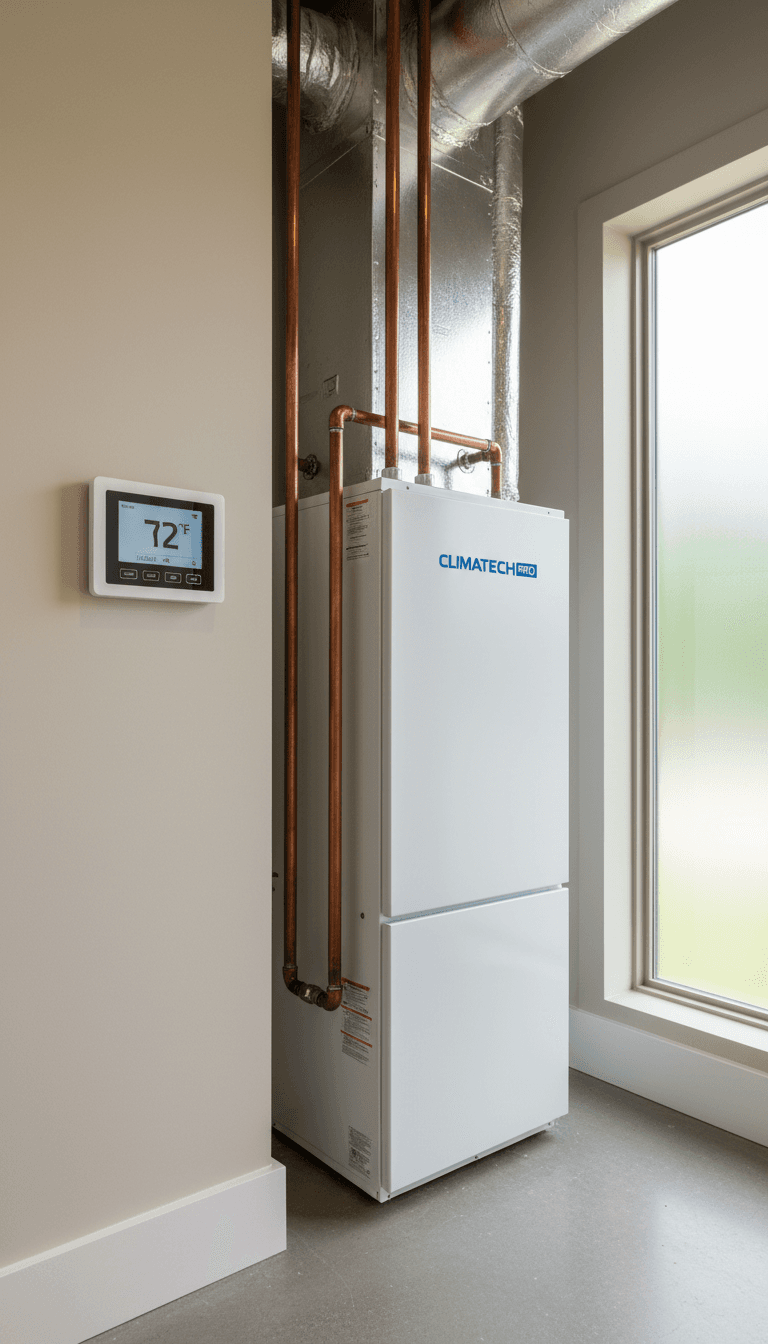
Determining the best winter thermostat setting furnace save money depends on balancing home comfort with mechanical efficiency. According to the U.S. Department of Energy, the ideal temperature for most households when occupants are awake and at home is 68 degrees Fahrenheit. This setting provides a baseline that keeps the indoor environment habitable without forcing the furnace to run constantly against the harsh Utah cold.
Achieving meaningful reductions in your utility bill requires more than just picking a single number. You can reduce your annual heating costs by up to 10 percent by implementing a 7 to 10 degree setback for eight hours a day. Most residents in Juab County find this easiest to manage by lowering the temperature while they are at work or during the night while everyone is asleep. If you drop the thermostat from 68 to 60 degrees during these windows, the furnace cycles less frequently, reducing wear on the blower motor and heat exchanger.
The relationship between the thermostat and your bill is precise. For every degree you lower the temperature during the winter, you can save approximately 3 percent on your monthly heating costs. While comfort is subjective, these incremental adjustments significantly impact the efficiency of your climate control system. If your system struggles to reach even these modest settings, it may be time to schedule professional heating services to ensure your furnace is capable of operating at its peak potential throughout the season.
Should I Turn the Furnace Down at Night to Save Money?
Lowering your home's temperature overnight is a proven strategy to reduce energy consumption, but finding the right balance is crucial for Juab County’s high-desert climate. For most homes in our area, dropping the thermostat to 60 or 62 degrees while you are tucked under blankets is the ideal range. Integrating this shift into your best winter thermostat setting furnace save money strategy allows the system to cycle less frequently without letting the structure of the home become excessively cold.
However, local conditions require caution. During extreme Nephi cold snaps, where outdoor temperatures can plummet well below zero, you must never set the thermostat below 55 or 60 degrees. Setting the temperature too low increases the risk of pipes freezing and bursting, especially those located in poorly insulated outer walls or crawlspaces. Heat must reach the internal cavities of your home to prevent costly plumbing disasters.
You must also consider your home’s thermal mass. This refers to the heat stored in your walls, flooring, and furniture. If you allow the indoor temperature to drop more than 15 degrees below your daytime setting, the furnace will struggle for hours in the morning to reheat these solid objects. A massive temperature recovery often forces the system to run at maximum capacity for a prolonged period, which can offset the savings gained overnight. If you find your system takes hours to reach the set point, it may be time to consult our professional heating services to check your system's output capacity.
Why Your Heating Bill Is More Expensive Than Last Year
If you have implemented the best winter thermostat setting furnace save money recommendations but your utility costs continue to climb, several regional factors are likely at play. Utah residents have seen consistent adjustments in natural gas rates recently, meaning the cost of every therm consumed is higher than it was last winter. Beyond market prices, Juab County's specific climate significantly impacts consumption. The heavy wind chill factors in the valley, especially in areas like Nephi and Rocky Ridge, accelerate heat loss through walls and windows, forcing systems to work harder to maintain the same set point.
The most common reason for a bill spike, however, is excessive runtime. If your thermostat is set to 68 degrees but your furnace is struggling to reach it, the system will run for prolonged cycles. A unit that takes 40 minutes to reach a temperature it used to hit in 20 is doubling your energy consumption for the exact same result. This mechanical strain often stems from neglected components that force the burner to fire longer than necessary. Scheduling essential fall furnace maintenance helps ensure the system isn't wasting fuel just to compensate for a dirty sensor or a clogged blower. When the equipment is in peak condition, it achieves the set temperature efficiently, preventing the runaway costs associated with a struggling motor. If you suspect your unit is running too often, professional heating services can identify if the issue is mechanical or related to your home's insulation.
The Missing Link: How Furnace Condition Affects Your Savings
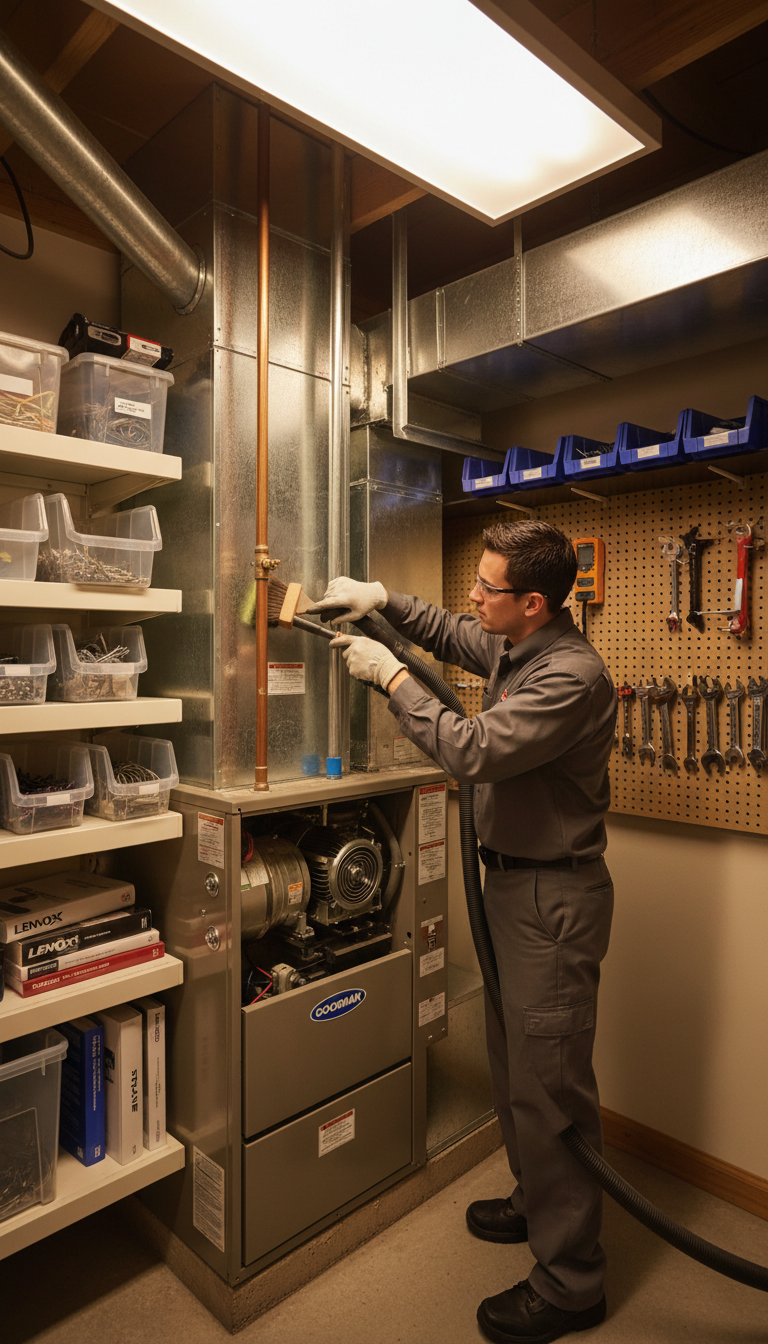
While picking the best winter thermostat setting furnace save money relies on smart programming, those numbers only represent the goal, not the execution. If your mechanical system is degraded, the thermostat becomes an expensive request that the furnace cannot efficiently fulfill. Even a high efficiency unit will drain your budget if it is battling internal resistance or structural heat loss.
Three specific mechanical issues frequently negate any savings gained from lowering the temperature:
Clogged Air Filters: A dirty filter increases static pressure within the system. This forces the blower motor to work significantly harder and draw more amperage to move air through the heat exchanger. The reduced airflow means the furnace must run for much longer durations to circulate enough warm air to satisfy the thermostat.
Burner and Heat Exchanger Issues: Efficient heating requires complete combustion. Dirty burners or a cracked heat exchanger prevent the system from extracting the maximum amount of heat from the natural gas it consumes. When combustion is incomplete, you are paying for fuel that is essentially wasted, providing less warmth per therm than a clean system would.
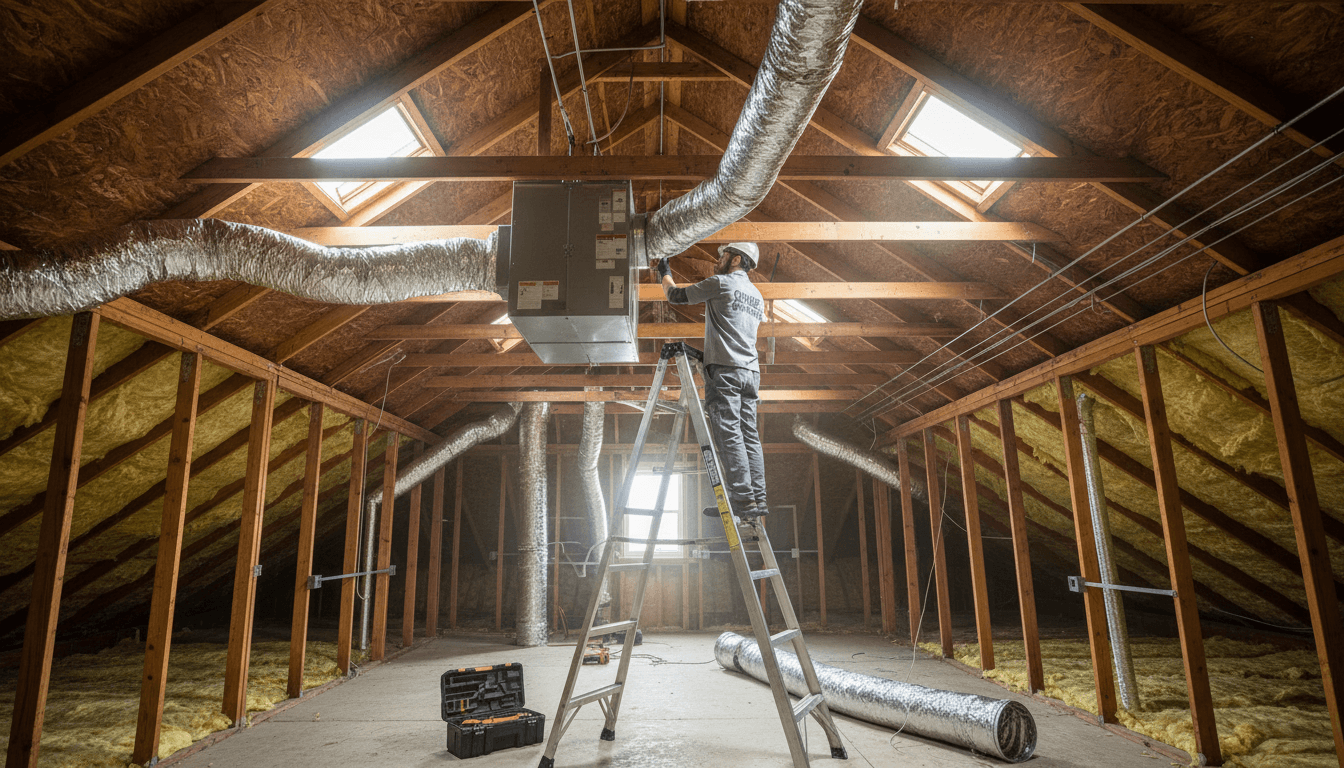
Leaky Ductwork: In many Juab County homes, ductwork runs through unconditioned attics or crawlspaces. If these ducts have loose joints or tears, a significant percentage of the heat you paid for escapes into these voids before it ever reaches your registers. You might be losing 20 percent of your heated air to the outdoors, forcing the furnace to run 20 percent longer to compensate.
A well maintained furnace reaches your desired set point faster and, more importantly, stays off longer. Investing in essential fall furnace maintenance ensures that your components are clean and your connections are tight. When the hardware is optimized, the thermostat can do its job effectively. If you suspect your system is running excessively despite a modest setting, scheduling professional heating services is the only way to verify that your furnace is actually capable of delivering the savings you expect.
Furnace Not Heating to Thermostat Setting: Troubleshooting Local Issues
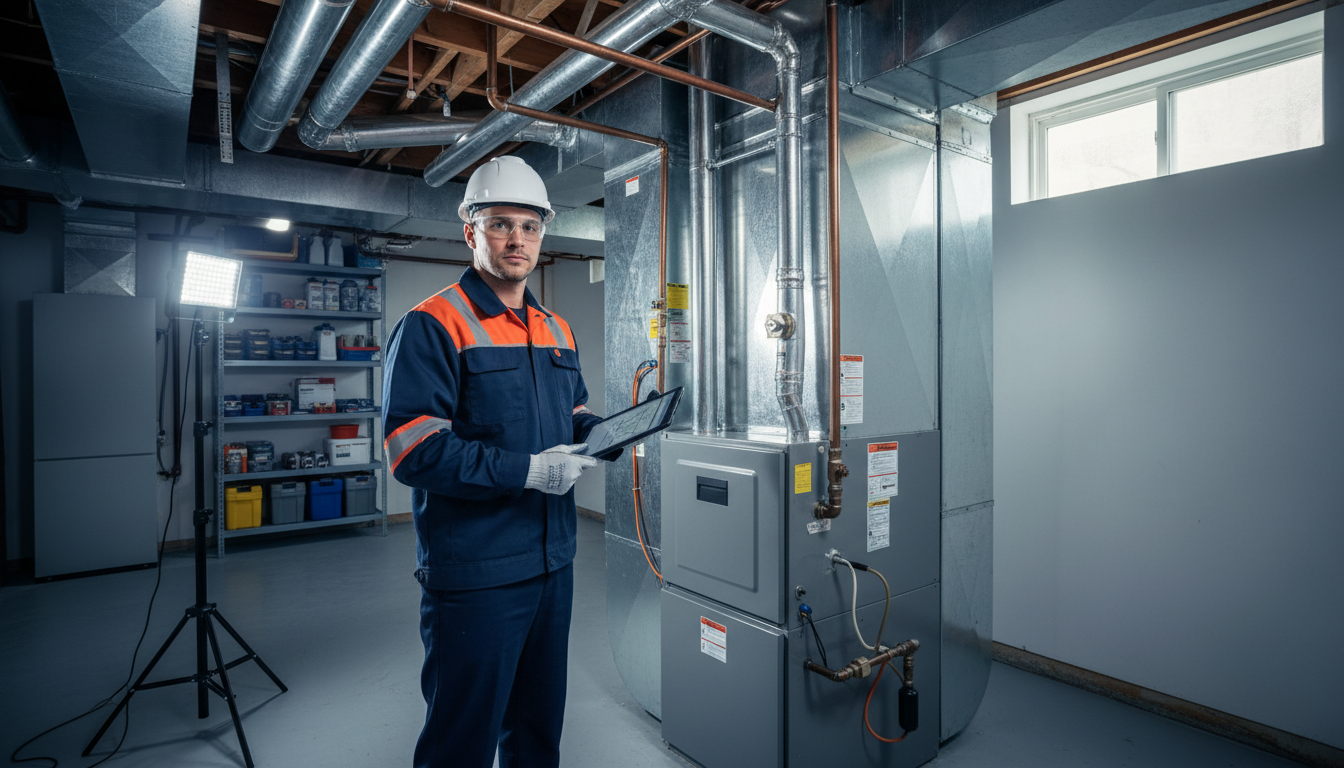
A furnace not heating to thermostat setting often signals a disconnect between the electronic call for heat and the mechanical ability of the system to respond. The thermostat acts as a command center; once the ambient air temperature drops below your set point, it sends a low voltage signal to the furnace control board to initiate the ignition sequence. If your home remains chilly despite a 68 degree setting, the issue may be local to Juab County’s specific environmental conditions.
Start by inspecting your high efficiency furnace’s exterior PVC intake and exhaust pipes. During heavy Utah snowfalls, these vents can become obstructed by drifts or ice buildup, triggering a safety pressure switch that prevents the burners from firing. Additionally, verify that the thermostat itself is not mounted in a drafty location. In many older homes in Nephi or Eureka, a sensor placed near a poorly sealed window or an exterior door will read local cold spots rather than the true average temperature of the house, leading to inconsistent cycles.
Check your electrical panel for a tripped breaker as well. A blower motor drawing too much amperage or a simple power surge can cut power to the furnace entirely. If these basic checks do not restore warmth, you likely require professional heating services to diagnose internal component failures like a faulty igniter or a failing inducer motor that prevents the system from fulfilling the thermostat's request.
Thermostat Best Practices for Dual Fuel and Heat Pump Systems
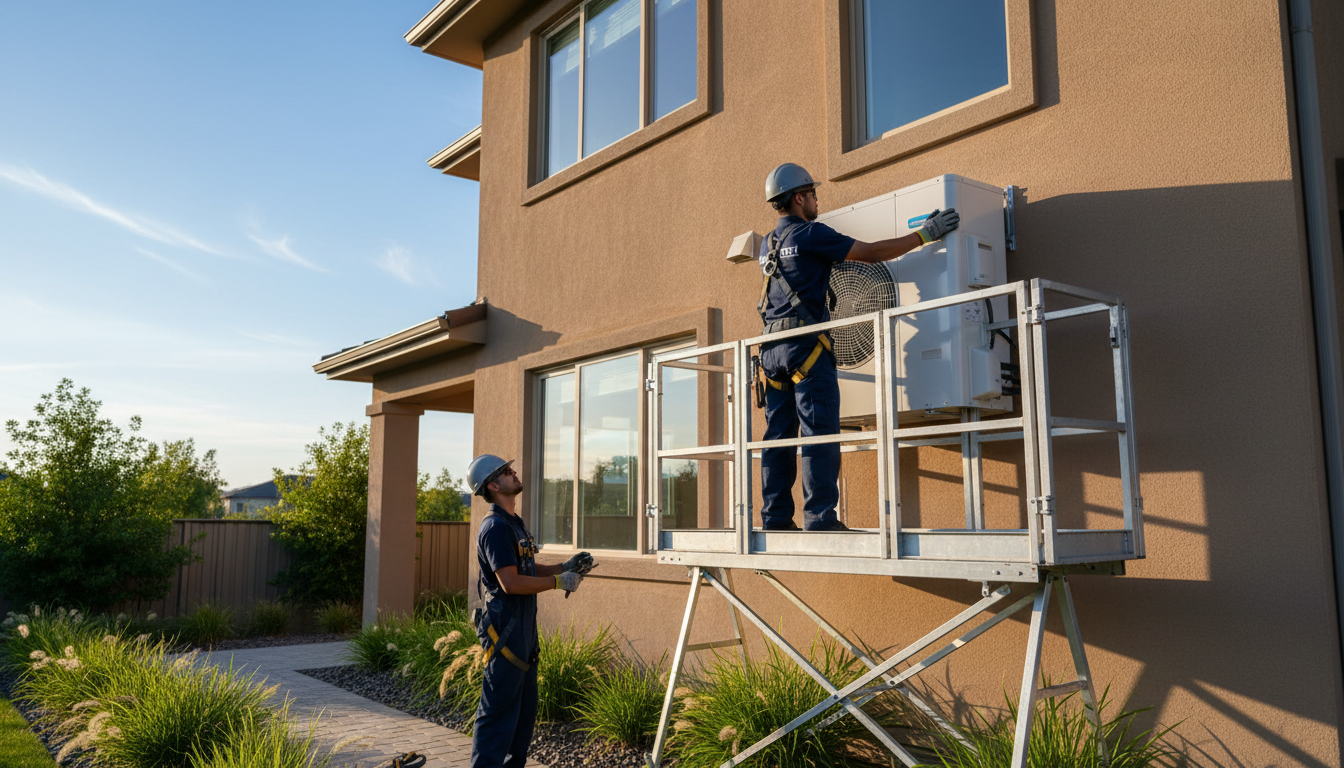
Residents in newer developments throughout Mona and Levan frequently utilize high efficiency heat pumps or dual fuel systems. These hybrid setups require a different strategy than traditional gas furnaces. While a deep 10 degree setback is the standard best winter thermostat setting furnace save money advice for combustion systems, it can actually backfire with a heat pump.
Heat pumps are designed to maintain a steady temperature through consistent, low energy operation. If you significantly lower the thermostat at night and then raise it by five or more degrees in the morning, the system detects a large gap between the ambient temperature and the set point. To bridge this gap quickly, the thermostat may trigger auxiliary heat or emergency heat. These are typically electric resistance strips that consume vast amounts of electricity compared to the heat pump’s normal cycle. This sudden surge in energy usage can instantly erase the savings you gained during the night.
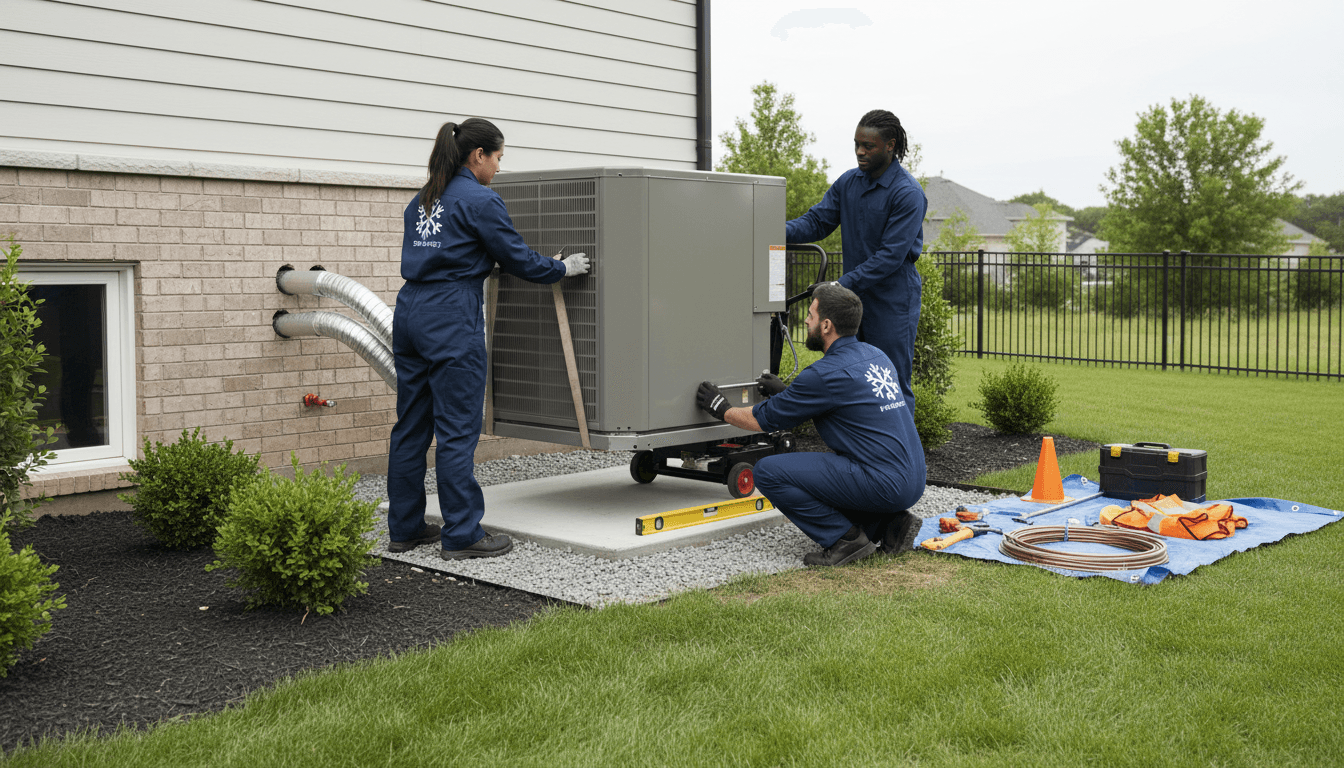
For these systems, we recommend a set it and forget it approach or a minimal setback of only two or three degrees. If you are considering an upgrade or need help configuring a hybrid system, reviewing our heat pump vs furnace Utah guide can help you understand these mechanics. Our team provides specialized professional heating services to calibrate these advanced controls, ensuring your backup heat only engages when absolutely necessary for the Utah climate.
Optimizing Airflow and Comfort in Juab County Homes
Juab County’s high altitude and naturally dry winter air significantly influence how you perceive indoor temperatures. Because dry air accelerates moisture evaporation from your skin, a house set to the best winter thermostat setting furnace save money baseline of 68 degrees can often feel uncomfortably brisk. Integrating a whole-home humidifier into your HVAC system is a practical solution to this local challenge. By maintaining an indoor humidity level between 30 and 50 percent, the air retains heat more effectively. This adjustment makes 68 degrees feel closer to 72 degrees, allowing you to stay comfortable without nudging the thermostat higher and increasing fuel consumption.
Managing your blower fan setting is another critical factor in balancing comfort and cost. While keeping the furnace fan set to "On" provides continuous air filtration and helps eliminate stagnant cold spots in larger homes, it often leads to higher electricity bills. In many local residences, constant airflow can also cause heat loss as air moves through ductwork located in chilled crawlspaces or attics. Unless your unit is equipped with a high-efficiency Electronically Commutated Motor (ECM) designed for low-speed circulation, we recommend using the "Auto" setting. This ensures the fan only runs when the furnace is actively heating, which preserves the life of the motor and maximizes your seasonal savings. For residents needing a system evaluation, our professional heating services can identify if your current blower and ductwork are optimized for the Juab climate.