A comprehensive commercial HVAC maintenance checklist for small business owners includes changing air filters, cleaning evaporator and condenser coils, and checking refrigerant levels to ensure peak efficiency. Small businesses should schedule professional inspections at least twice a year, typically before the summer and winter seasons, to prevent equipment failure and reduce energy costs. This routine maintenance also involves clearing drain lines and inspecting electrical connections to maintain a safe and comfortable environment.
Running a small business in Juab County is demanding enough without the sudden threat of a failing rooftop unit or a spiking utility bill. For many local owners, HVAC systems are often overlooked until a heatwave or a cold snap causes a breakdown that halts operations and drives away customers. This reactive approach is not just stressful; it is incredibly expensive. Investing in a proactive maintenance strategy protects your bottom line and ensures your environment remains comfortable year round. In this guide, we provide a definitive commercial HVAC maintenance checklist tailored for small business owners. You will learn how to structure a seasonal service timeline, which tasks you can handle internally, and how to identify red flags before they turn into costly emergency repairs. By the end, you will have a clear roadmap to keep your facility running efficiently and reliably.
Why Small Businesses in Juab County Need a Strategic HVAC Plan

Juab County business owners in Nephi, Mona, and Levan operate under some of the most demanding environmental conditions in Utah. Unlike residential units that might only handle a few occupants, commercial systems must manage high foot traffic and specific ventilation requirements while battling sub zero winters and scorching, dry summers. A strategic plan is not just about comfort; it is a critical component of risk management.
When a rooftop unit fails during a heatwave in Nephi, the consequences extend far beyond a sweaty office. A breakdown in a retail space often results in immediate lost revenue as customers leave, and for some industries, it can lead to catastrophic inventory damage. A comprehensive commercial HVAC maintenance checklist for small business owners helps mitigate these risks by identifying wear before it triggers a total system shutdown.
Investing in expert mechanical solutions rather than waiting for a failure provides a clear financial return. Industry data indicates that consistent preventive maintenance reduces energy consumption by 15 to 20 percent. For businesses managing tight margins, these savings on monthly utility bills often cover the cost of the maintenance plan itself. Implementing professional commercial climate control services ensures your facility remains operational during peak seasonal swings, protecting both your bottom line and your equipment longevity.
The Seasonal Timeline: When to Schedule Your Service
A common question among local facility managers is, "How often should a commercial HVAC system be serviced?" In Juab County, the technical requirement is a minimum of twice per year. This biannual schedule aligns with the drastic shifts in Utah weather, ensuring that equipment is prepared for the specific stresses of each season. You should schedule a professional inspection in the Spring to prep the cooling components and again in the Fall to verify that heating elements are safe for sub zero temperatures.
The intensity and frequency of these visits can vary based on your building type. Light commercial properties, such as a boutique storefront on Nephi Main Street, often face high foot traffic that introduces significant amounts of outdoor dust and allergens. These smaller systems usually require quarterly filter changes to maintain indoor air quality and protect the blower motor. Conversely, larger warehouse spaces in Mona or Levan may have different ventilation needs, requiring a more robust commercial HVAC maintenance checklist for small business owners to ensure the system handles the vast square footage without straining the compressors.
Utah’s arid and often dusty environment makes this timeline non negotiable. Fine dust and agricultural debris common in rural Juab County can cause rapid coil buildup. When a cooling coil is caked in dust, the system loses its ability to effectively transfer heat, which forces the unit to run longer and increases the risk of a mid summer breakdown. By adhering to a strict seasonal schedule for commercial climate control services, you prevent these environmental factors from compromising your equipment. To lock in your seasonal visit before the peak rush, you can contact Juab HVAC today for expert mechanical solutions tailored to your specific facility.
Monthly Tasks for Business Owners: The DIY Maintenance Layer
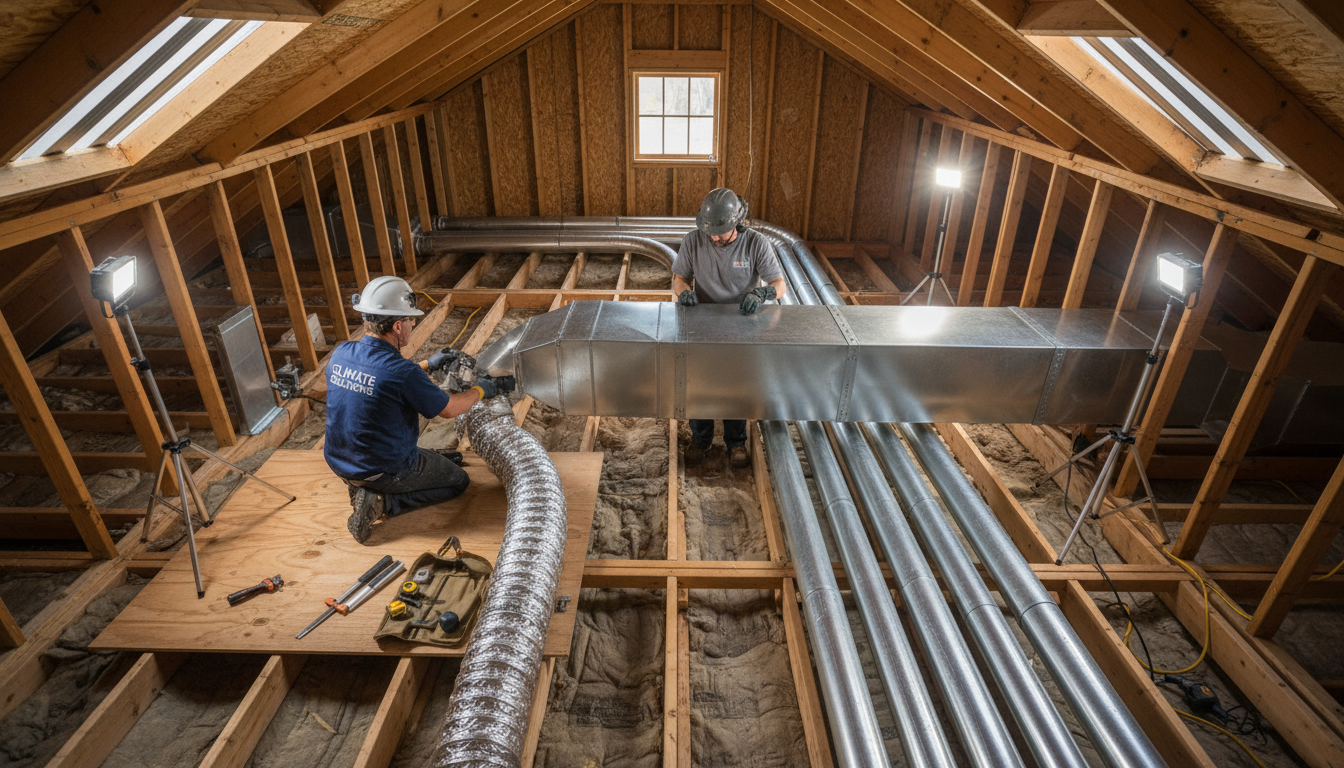
While the heavy lifting is best left to technicians, incorporating a few simple checks into your monthly operations can prevent significant wear on your equipment. These tasks serve as the first line of defense in a commercial HVAC maintenance checklist for small business owners, ensuring that small environmental issues do not escalate into mechanical failures.
Start with air filters. In Juab County, localized construction or high traffic on I-15 and Main Street can load filters with particulates much faster than in a residential setting. Inspect your filters every 30 days. If the media appears gray or clogged, replace it immediately. Operating with a restricted filter forces the blower motor to work harder, increasing electrical draw and eventually leading to motor burnout. This is particularly vital for retail spaces where frequent door cycles introduce outside dust constantly.
Next, perform a perimeter check of your outdoor units. If your system sits at ground level in Mona or Levan, ensure that weeds, tumbleweeds, or windblown debris are not choking the condenser. For rooftop units in Nephi, check that access panels are secure and that the area surrounding the intake is clear. Restricted airflow at the condenser level causes high head pressure, which significantly shortens the lifespan of your compressor. A quick visual inspection can prevent the system from overheating during a July heatwave.
Finally, audit your thermostat settings. Commercial systems often suffer from unnecessary cycling, where a system runs at full capacity during hours the building is unoccupied. Ensure your setbacks are correctly programmed to align with your business hours. This reduces the total run time of the unit, preserving the mechanical integrity of the heat exchanger and cooling coils. These basic steps provide a solid foundation for commercial climate control services, making it easier for a technician to perform expert mechanical solutions during their biannual visit. If you notice persistent issues during these monthly checks, contact Juab HVAC today to address potential underlying problems before they become costly emergencies.
The Comprehensive Commercial HVAC Maintenance Checklist for Small Business Owners
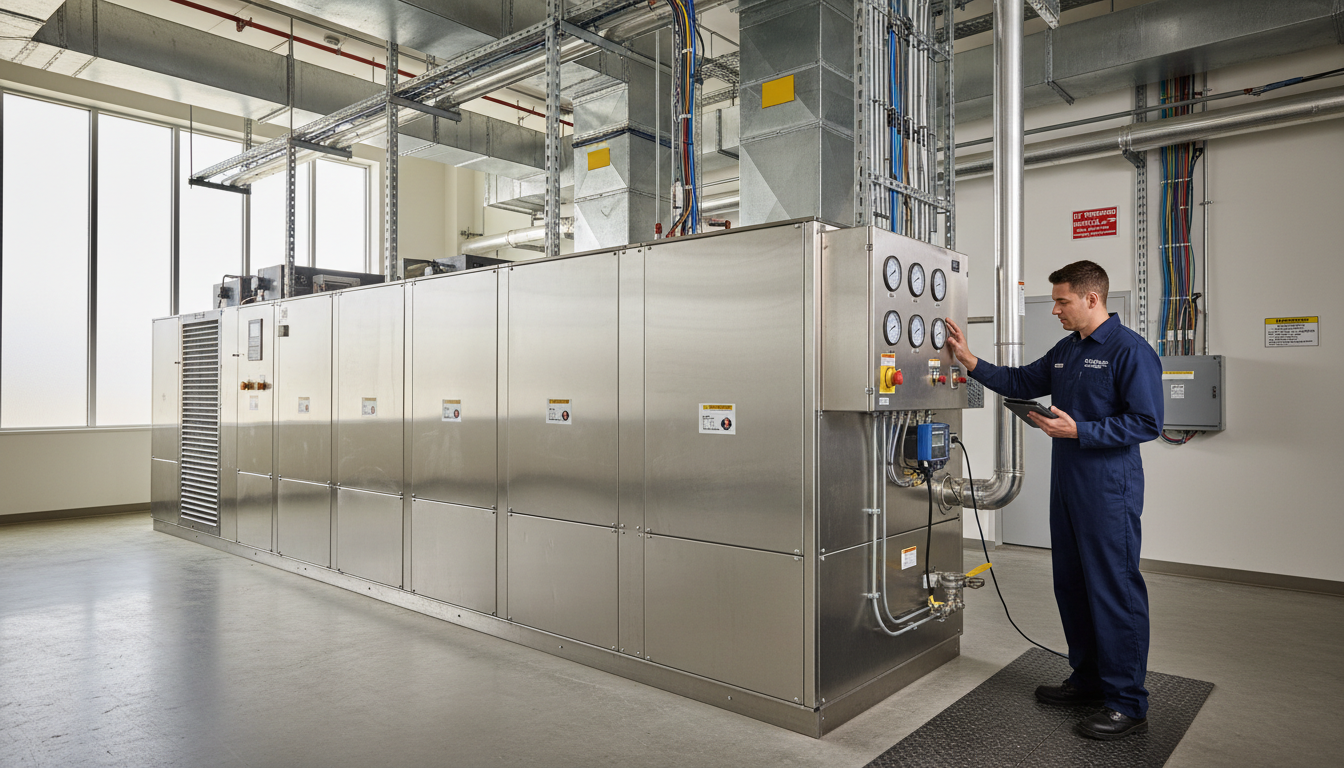
Professional inspections by Juab HVAC go beyond basic visual checks to address the deeper, more complex components of your system. A rigorous commercial HVAC maintenance checklist for small business owners covers three primary areas of mechanical health: electrical integrity, mechanical movement, and indoor air quality.
### Electrical Integrity Loose electrical connections are a leading cause of premature component failure and can even pose a fire risk in commercial environments. During a site visit, our team meticulously tightens all power terminals and control wiring that may have vibrated loose over months of operation. We also verify the control sequences, ensuring that sensors and thermostats accurately trigger the correct heating or cooling stages. This sequence testing prevents the system from "short cycling," which protects the compressor and reduces energy spikes on your monthly utility bill.
### Mechanical Movement and Refrigerant Mechanical components require precision to function under a constant load. Juab HVAC technicians lubricate all moving parts, including motor bearings and blower assemblies, to minimize friction and heat. We also check the tension and alignment of drive belts. A slipping belt reduces airflow and efficiency, while an overtightened belt can snap or cause the motor to burn out prematurely. Furthermore, we monitor refrigerant levels and check for leaks. This is increasingly critical as the industry prepares for the 2026 refrigerant transition, which will see the phase-down of R-410A in favor of newer, low-GWP (Global Warming Potential) alternatives. Staying ahead of these changes ensures your equipment remains compliant and serviceable.
### Air Quality and Drainage Air quality involves the physical hygiene of the unit, which directly impacts the air your employees and customers breathe. We perform deep cleaning of the evaporator and condenser coils. In Juab County, dust and agricultural particulates often coat these coils, creating an insulating layer that forces the compressor to work much harder to achieve the desired temperature. We also inspect and clear the condensate drain lines to prevent blockages. A clogged drain line can lead to water backing up into your ceiling or retail floor, causing expensive property damage and mold growth.
By utilizing expert mechanical solutions during these biannual visits, we ensure your facility remains safe, efficient, and reliable through every Utah season. These technical steps are essential for maintaining commercial climate control services that last for the full expected lifespan of the unit. If your system has not been professionally inspected within the last six months, you should contact Juab HVAC today to schedule a comprehensive evaluation of your rooftop or ground-level units.
Understanding the Costs: Maintenance Contracts vs Emergency Repairs
For most small business owners in Nephi and Mona, the annual investment for professional maintenance typically ranges from $500 to $2,000. This variance is driven by the total tonnage of the system and the number of units required to heat and cool the square footage. While this may seem like an added overhead, it is designed to prevent the catastrophic expenses associated with reactive repairs. A single emergency blower motor replacement or compressor failure can easily exceed these annual costs in one afternoon.
The financial decision to fix or replace a unit often comes down to the $5,000 rule. If a single repair quote exceeds 50 percent of the system's replacement value, and the equipment is between 10 to 12 years old, investing in new commercial climate control services is almost always the more fiscal choice. Replacing a decade-old system eliminates the cycle of recurring service calls that drain a business's cash flow while also significantly lowering monthly utility bills through improved efficiency.
Beyond scheduled visits, a maintenance contract offers a logistical advantage during Utah’s extreme winter months. When a sudden cold snap hits Juab County, furnace failures skyrocket, often overwhelming local service capacities. A formal agreement guarantees priority service, ensuring your facility is back online before a temporary closure becomes necessary. By securing expert mechanical solutions in advance, you avoid the premium rates and long wait times associated with midnight emergency calls. To lock in a fixed rate for your facility, contact Juab HVAC today to review our contract options.
Signs Your Commercial System Needs Immediate Attention
Even with a robust commercial HVAC maintenance checklist for small business owners in place, components can reach their mechanical limits between service intervals. Recognizing the early indicators of failure can prevent a full system blackout. In office or retail settings, pay close attention to unusual auditory cues. Grinding, squealing, or persistent rattling from overhead vents are more than mere distractions for your staff; they often signal a blower motor bearing failure or a slipping belt that requires immediate intervention.
Uneven temperature distribution is another critical red flag. If your building’s zones are inconsistent, such as a stagnant, hot reception area while the rear offices are freezing, your system is likely experiencing calibration issues or damper failure. This inefficiency usually manifests in your monthly Rocky Mountain Power bill. A sudden, unexplained spike in energy consumption suggests the compressor or heat strips are running continuously to compensate for a mechanical deficit.
For businesses in Nephi or Levan, a failing heat pump or furnace during the sub-zero stretch of January is a legitimate emergency. These conditions demand the use of professional diagnostic tools to identify cracked heat exchangers or faulty ignition sequences that DIY troubleshooting cannot resolve. To secure expert mechanical solutions and restore your commercial climate control services, you should contact Juab HVAC today the moment these symptoms appear.
Staying on top of your commercial HVAC maintenance ensures your business remains comfortable and efficient throughout the seasons. While basic checks keep things running, complex systems often benefit from a professional perspective. If you want expert help with your maintenance schedule, you can learn more about our team and our approach to service. We are dedicated to helping Juab County businesses thrive by providing reliable, quality climate control solutions that let you focus on your customers.