Choosing between a heat pump vs furnace Utah 2026 involves weighing the 300 percent energy efficiency of modern cold-climate heat pumps against the lower upfront costs of traditional gas systems. While modern heat pumps maintain performance in temperatures as low as -22 degrees Fahrenheit, many homeowners find that dual-fuel hybrid systems offer the best balance of comfort and savings by qualifying for up to $2,000 in utility rebates.
Facing another biting Juab County winter often means watching your utility bills climb as your old furnace struggles to keep pace. By 2026, the choice between traditional gas heating and modern electric heat pumps has become more than just a matter of preference; it is a critical financial decision influenced by shifting energy regulations and local climate demands. Many homeowners remain skeptical of heat pumps in sub-zero temperatures, yet the latest technology offers efficiency that was previously impossible. This guide explores the evolving HVAC landscape in Utah, breaking down the operational costs and efficiency ratings you can expect this year. You will learn how dual fuel hybrid systems provide the perfect middle ground, and we will detail the specific 2026 tax credits and rebates available to help you maximize your investment while keeping your home comfortable through every freeze.
The 2026 HVAC Landscape in Juab County
The residential heating market is currently navigating a pivotal shift. In 2026, the intersection of new EPA refrigerant mandates and enhanced federal tax credits has changed how property owners in Nephi, Mona, and Levan approach climate control. For Juab County, our high desert environment, characterized by sub-zero January nights and thin, dry air, requires more robust planning than a standard coastal or valley install.
This year marks the end of the traditional 'either/or' debate regarding heat pump vs furnace Utah 2026 technologies. In the past, heat pumps were often dismissed locally as insufficient for extreme mountain winters. Today, advancements in inverter technology and legislative pushes toward electrification have created a new landscape. We are no longer just choosing one fuel source; instead, the industry is leaning into hybrid solutions that leverage the strengths of both systems. As a provider of professional residential climate control services, we see 2026 as the year the hybrid conversation finally takes center stage, offering a pragmatic way to balance fluctuating utility costs with the relentless cold of a Juab County winter.
Heat Pump vs Furnace: How They Function in Utah Winters
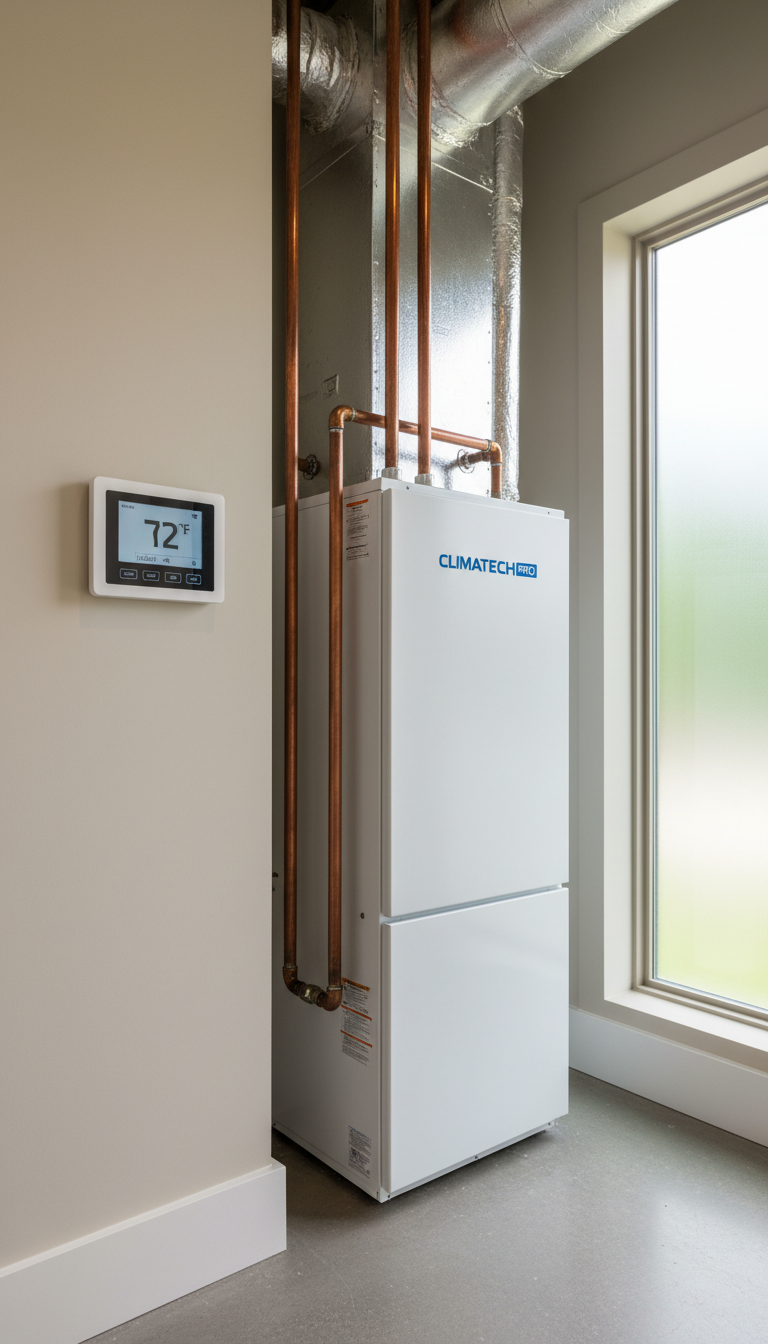
Understanding the mechanical difference between these two systems begins with how they handle energy. A traditional gas furnace relies on combustion. It burns natural gas to heat a metal heat exchanger, which then warms the air circulated by your blower motor. This process is highly effective at creating high-temperature discharge air, often reaching between 120 and 140 degrees Fahrenheit. For many residents in Nephi or Mona, that "hot" air feel is a comfort staple during a sustained January blizzard when the house needs to recover temperature quickly.
In contrast, a heat pump does not create heat through combustion; it moves existing heat from the outside environment to the inside of your home. Even in very cold air, thermal energy exists. Modern cold-climate heat pumps available in 2026 utilize advanced variable-speed compressors and specialized refrigerants to extract this energy efficiently. While older models from a decade ago often struggled and lost capacity the moment temperatures dropped below freezing, today's units are rated to provide reliable, efficient heat at temperatures as low as -15 degrees Fahrenheit.
The primary difference for the homeowner lies in the sensation of the heat. Because a heat pump moves heat rather than burning fuel, the air coming out of the registers is typically closer to 90 or 100 degrees. While this is more than enough to maintain a steady 70-degree indoor climate, it feels "cooler" to the touch than a gas furnace. The furnace offers a powerful, fast-acting burst of heat, while the heat pump provides a more consistent, steady flow of warmth. We prioritize these distinctions when providing expert mechanical solutions to ensure our clients choose the equipment that matches their personal comfort preferences and the specific demands of the Juab County climate.
Efficiency Ratings and Operational Costs for 2026
Evaluating efficiency requires looking at two different metrics: AFUE for furnaces and HSPF2 for heat pumps. While a high efficiency gas furnace tops out at 96 to 98 percent AFUE, meaning two to four percent of your fuel is wasted through exhaust, a heat pump operates on an entirely different scale. Heat pumps regularly achieve efficiencies of 300 percent or higher because they move heat rather than creating it. For every unit of electricity consumed, the system delivers three or more units of heat into the home.
However, pure efficiency does not always dictate the lowest bill in Juab County. Utah consistently ranks among the states with the lowest natural gas rates in the nation. For a typical home in Nephi or Levan, running a modern gas furnace may cost approximately 900 dollars annually, whereas a standalone electric heat pump might run closer to 1,200 dollars for the same heating load based on current utility pricing.
System Type | Peak Efficiency | Est. Annual Cost (Utah) |
|---|---|---|
High-Efficiency Gas Furnace | 96% to 98% AFUE | $900 |
Cold-Climate Heat Pump | 300%+ (HSPF2 varies) | $1,200 |
Dual-Fuel Hybrid | Variable | $850 - $1,100 |
This calculation changes drastically for homeowners who have invested in residential solar arrays. When your fuel source is self generated, the 300 percent efficiency of a heat pump becomes an incredible asset that can drop operational costs to near zero. Determining the exact ROI for a heat pump vs furnace Utah 2026 upgrade requires a site specific audit. We recommend that property owners schedule a system evaluation to analyze their utility history and solar capacity before making a final equipment selection.
The Best of Both Worlds: Dual Fuel Hybrid Systems

While the standalone heat pump vs furnace Utah 2026 debate often forces a choice between electricity and gas, the most practical solution for our local climate is the dual fuel hybrid system. A hybrid setup integrates a high efficiency electric heat pump with a secondary natural gas furnace. Instead of relying on a single fuel source for all conditions, the system intelligently selects the most cost-effective and comfortable method based on the outdoor temperature.
The intelligence of this system centers on the switchover point, usually set between 30 and 40 degrees Fahrenheit. During the milder months in Nephi or Mona, when temperatures hover above 35 degrees, the heat pump operates as the primary heat source. It provides steady, high efficiency warmth at a fraction of the cost. Once the temperature drops below this threshold and the heat pump's efficiency begins to wane against the dry, biting cold of a Juab County winter, the system automatically engages the gas furnace. This ensures that even during a sub-zero cold snap in Levan, your home remains warm with that high temperature air output that only a furnace can provide.
Choosing a hybrid configuration offers unparalleled resilience. As utility rates fluctuate, homeowners are not locked into a single energy market. If electricity prices rise or the grid faces high demand, the gas furnace provides a reliable backup. Conversely, if natural gas prices spike, the heat pump handles the bulk of the heating load during the spring and fall. We specialize in these professional residential climate control services, ensuring the thermostat logic is calibrated specifically for the elevation and thermal needs of your property. By combining the 300 percent efficiency of modern heat pumps with the raw heating power of a furnace, Juab County residents gain a system that is prepared for any weather event 2026 might bring.
2026 Rebates and Tax Credits for Juab County Homeowners
Navigating the financial side of a system replacement requires looking beyond the sticker price to the available incentives. In 2026, the federal 25C tax credit remains a primary driver for the heat pump vs furnace Utah 2026 decision. This credit allows homeowners to deduct 30 percent of the total project cost, capped at 2,000 dollars per year specifically for heat pumps. When paired with local utility programs, the upfront investment for a high performance system becomes much more manageable.
For those serviced by Rocky Mountain Power in Nephi, Mona, or Levan, the Wattsmart program offers tiered rebates for qualifying dual fuel systems. These rebates currently range from 700 to 1,450 dollars. When we calculate the net cost, the gap between traditional and modern equipment narrows significantly. While a traditional furnace and AC install generally costs between 10,000 and 16,000 dollars, a cold climate heat pump or hybrid setup ranges from 12,000 to 20,000 dollars.
System Comparison | Average Installed Cost | Max Incentives (Tax Credit + Rebate) | Potential Net Cost |
|---|---|---|---|
Traditional Furnace & AC | $10,000 - $16,000 | ~$600 (Federal Tax Credit) | $9,400 - $15,400 |
Heat Pump or Hybrid | $12,000 - $20,000 | Up to $3,450 | $8,550 - $16,550 |
These incentives bridge the divide, often making the hybrid option the more fiscally responsible choice over the long term. We recommend homeowners schedule a system evaluation to receive a detailed breakdown of which credits apply to their specific property and equipment choice.
Addressing the Skepticism: Why Don't Some Contractors Like Heat Pumps?
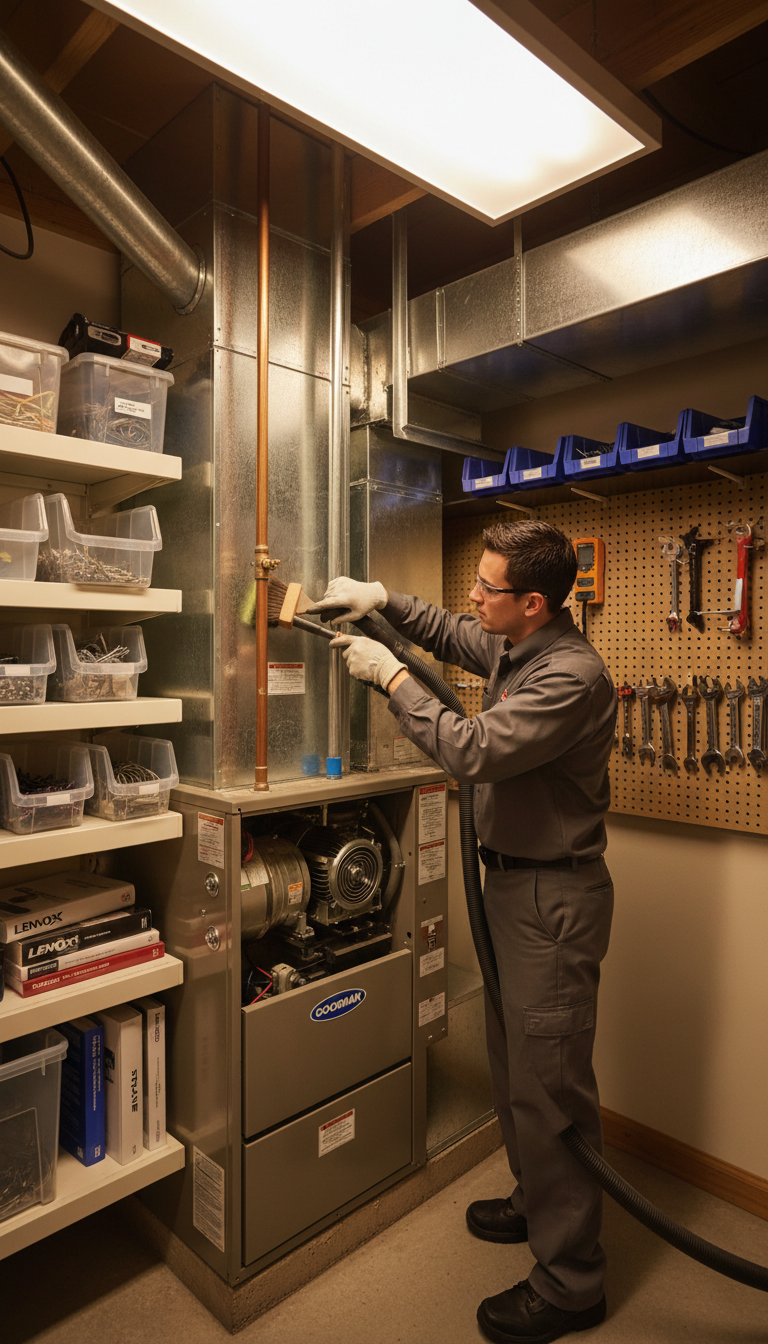
Homeowners often ask why some local HVAC companies still steer them away from electric heating. This skepticism usually stems from a generational gap in technology. Twenty years ago, heat pumps installed in Juab County were essentially standard air conditioners with a reversing valve; they struggled to extract warmth once temperatures dipped toward freezing. These older units relied heavily on expensive electric resistance heat strips, leading to high utility bills and poor comfort during a typical Nephi cold snap.
The 2026 equipment landscape is fundamentally different. Modern systems utilize inverter driven compressors that vary their speed to match the heating load precisely. Unlike the on or off models of the past, these units maintain their heating capacity even when the outside air is well below zero. As a provider of expert mechanical solutions, we focus on these engineering advancements rather than outdated reputations. We understand that the heat pump vs furnace Utah 2026 comparison has been redefined by this shift in compressor technology, allowing us to install systems that remain reliable in Mona or Levan without the performance failures associated with legacy equipment.
Is a Heat Pump Worth It in Juab County?
Deciding between a heat pump vs furnace Utah 2026 installation requires looking at your property as a whole. While technology has closed the performance gap, the financial and comfort outcomes depend on your specific setup. Use the following criteria to evaluate your path forward:
Upgrade Is Worth It If: | Upgrade May Not Be Best If: |
|---|---|
You have existing residential solar panels. | You live in a poorly insulated historic home. |
Your current air conditioner needs replacement. | You lack solar and have high electrical usage. |
You want to reduce your carbon footprint. | You require high-temperature register air. |
You plan to stay in the home for 10+ years. | You rely solely on electric resistance backup. |
A standalone electric heat pump is a powerful tool, but it can be a gamble in older, drafty homes common in parts of Nephi. Without the thermal mass of a well-insulated envelope, the steady heat of a heat pump might feel insufficient during a deep freeze. However, the dual fuel hybrid system eliminates this risk entirely. By pairing a heat pump with a gas furnace, you gain the efficiency of electric cooling and heating for 80 percent of the year while retaining a gas backup for the coldest nights.
We recommend this hybrid approach as the most resilient choice for our high desert climate. It provides a hedge against fluctuating energy prices and ensures your family remains comfortable during extreme weather shifts. To find the right configuration for your property, schedule a system evaluation with our team to review your home's insulation levels and current equipment capacity.